

It had no name for seventy thousand years.
Ten years ago, we called it Nomadic Road. It was already the oldest thing humans do.
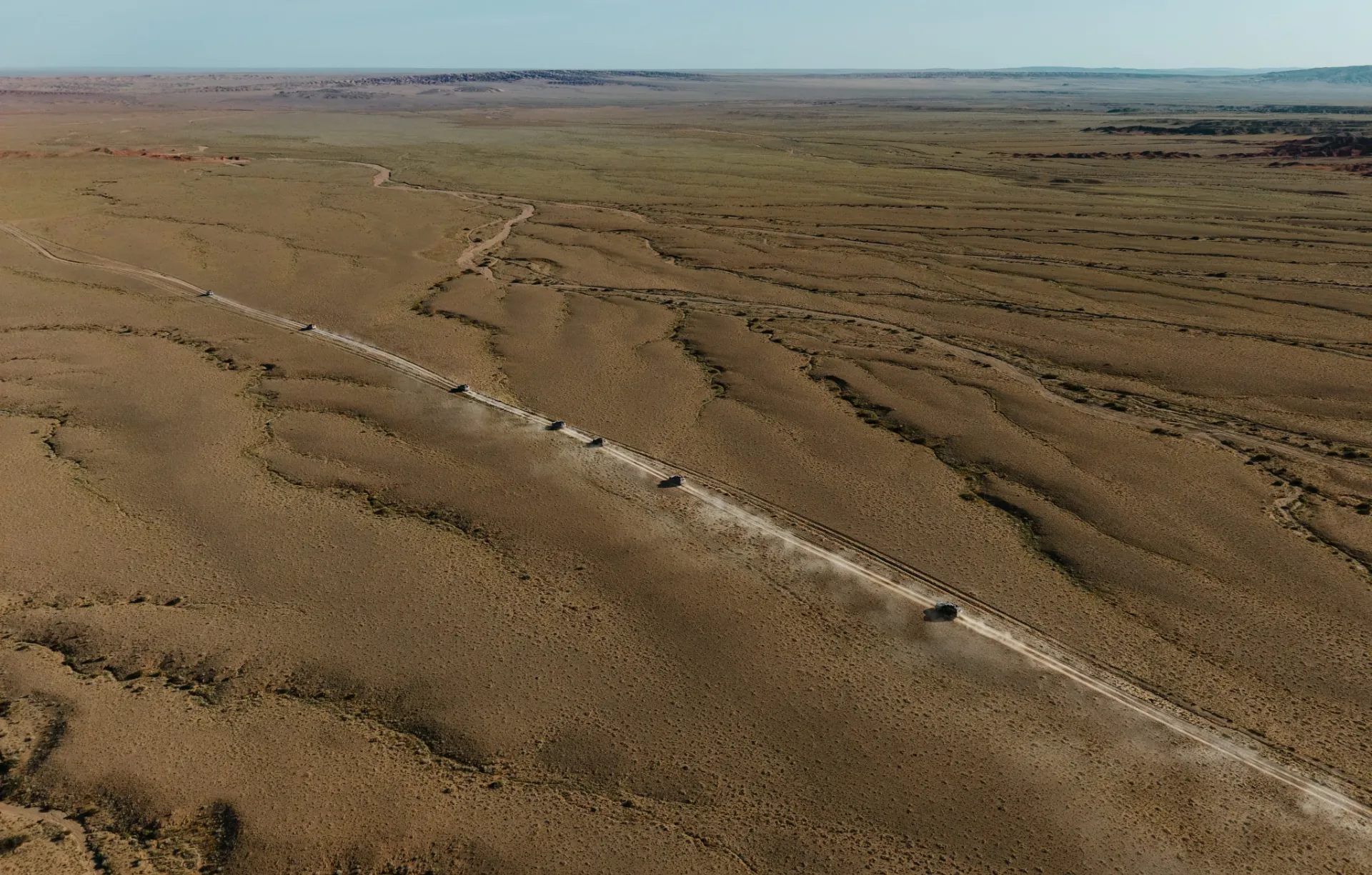
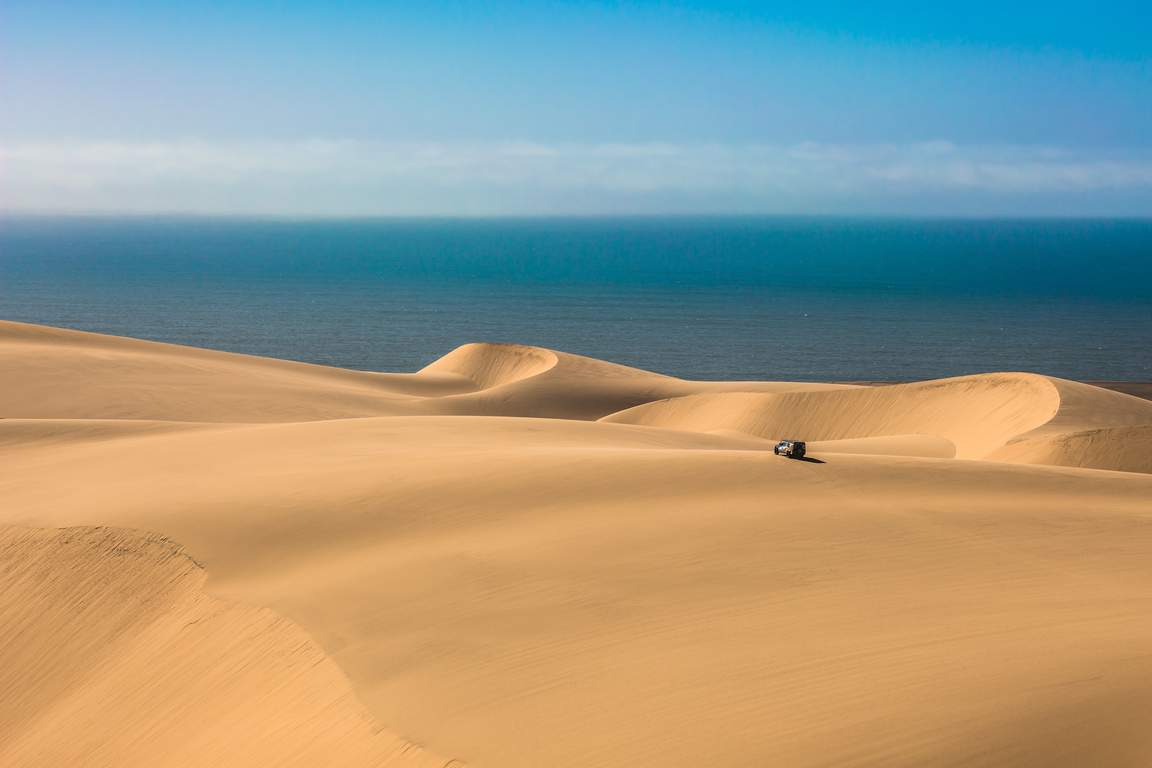
Out of Africa
Long before maps, before ships, before anyone thought to write it down, humans were already moving.
It began in Africa, not as an expedition but as survival.
Small groups walking further than the last group had walked, drawn by nothing more than the need to know what was over the next ridge.
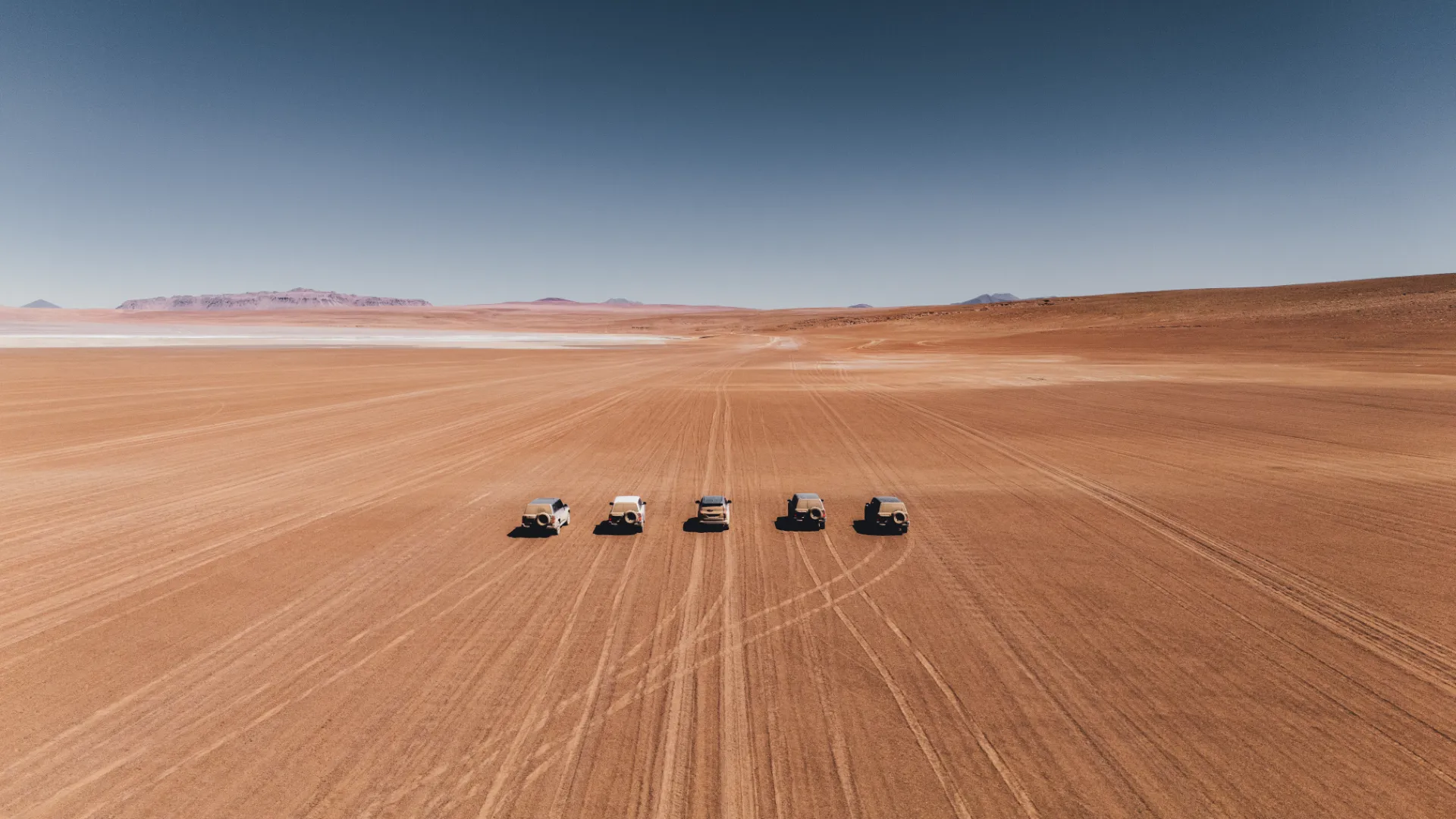
Across Continents
That instinct carried humans across deserts, over mountain passes, along coastlines no one had mapped, into lands no one had named.
Into Arabia. Into the vast openness of Central Asia. Into landscapes that offered no guarantee of return.
“They walked further than the last group had walked, for no reason but to know what was over the next ridge.”
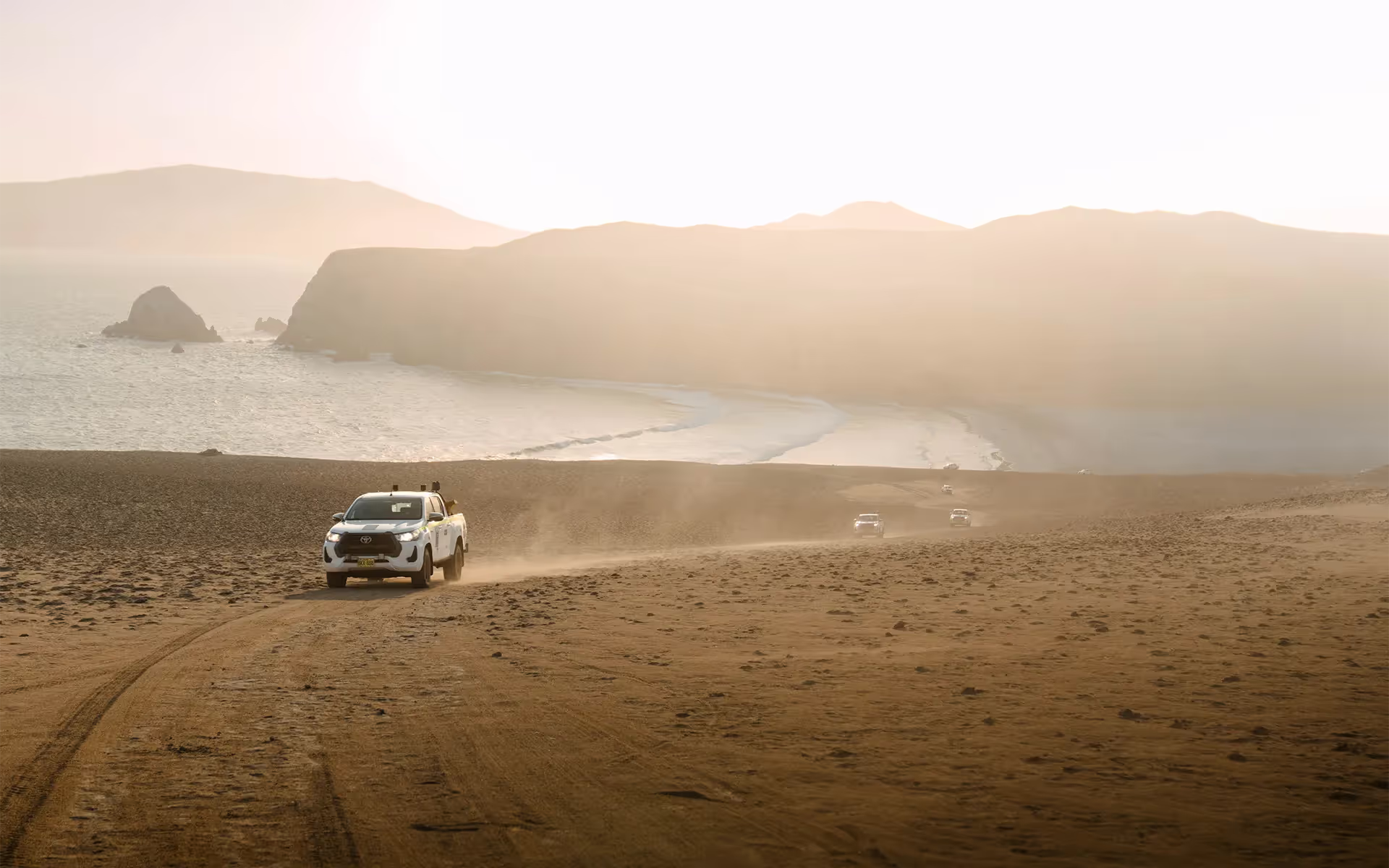
The Pacific
They built boats and read stars most of us have never learned to see, and used them to find islands too small and too far to be found by accident.
The Pacific, the largest ocean on Earth, was crossed by people navigating with nothing but wave patterns, bird flight, and memory passed down as story.
It remains one of the most extraordinary feats of exploration in history, and one of the least told.
Into the Americas
They walked into the Americas. Some say across a land bridge, others by sea, others by both; the evidence still argued over, the instinct behind it never in question.
This movement never required permission, funding, or a flag. It required only the will to keep going.
“It didn’t start with a ship’s captain or a royal charter. It started when the first human looked at the horizon and walked towards it instead of away.”
A Story Half Told
Most of what we’re taught to call “exploration history” begins much later, and tells only part of the story.
Australia, “discovered”by the British in 1770: a land people had already lived in for sixty thousand years.
South America, “discovered”by the Spanish.
India, “discovered”by the Portuguese.
The language itself gives away the bias, as if these places, and the people already living in them, did not exist until a flag arrived.
The Larger Truth
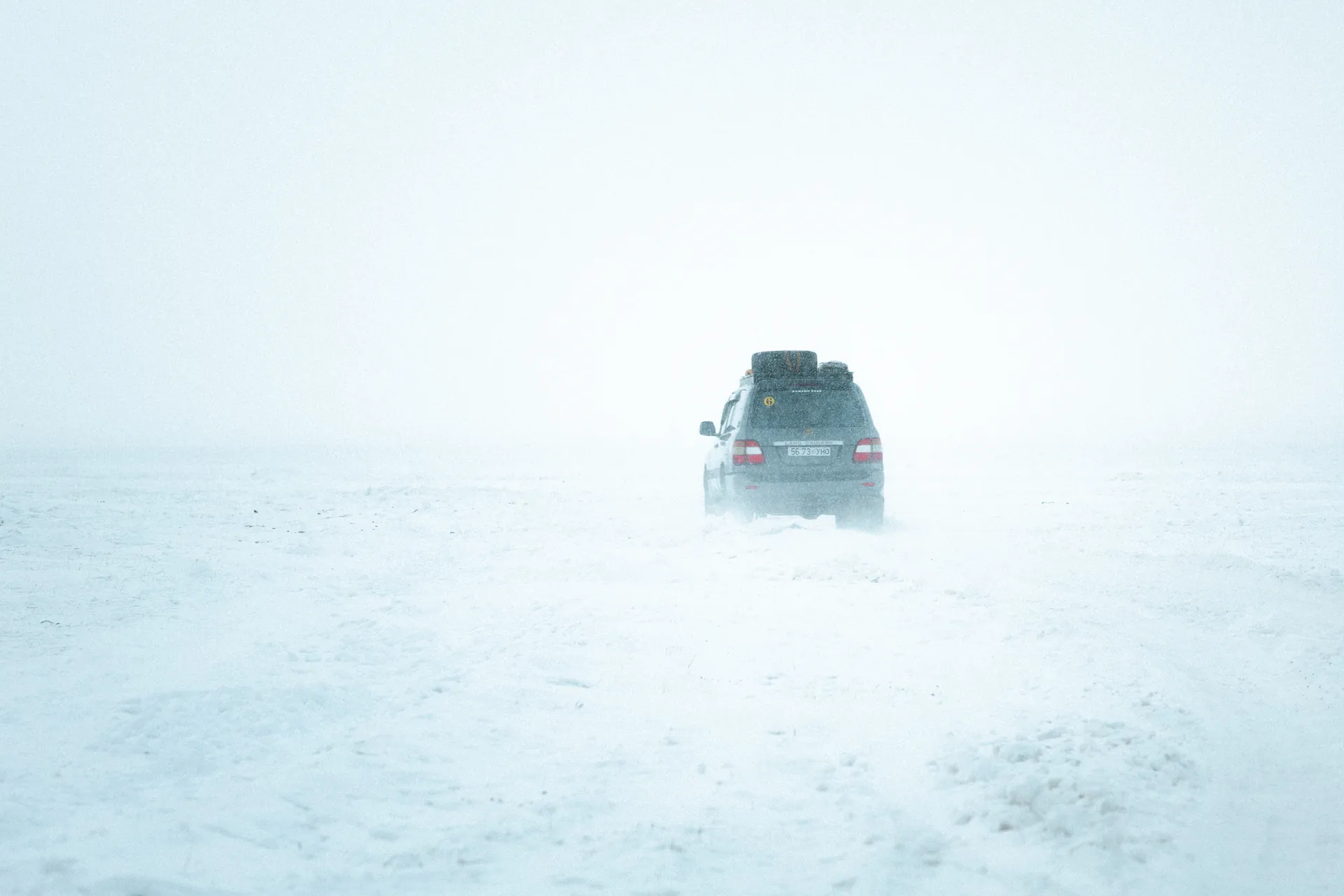
By the time any of those ships set sail, humans had already been moving across the planet for tens of thousands of years. Explorers didn’t discover the world. They arrived somewhere humans had usually already been.
We don’t tell this story to diminish the age of sail, or the individuals who took real risks within it. We tell it because the instinct behind their voyages didn’t begin with them. It’s the same instinct that moved the first humans out of Africa, and the same instinct that still moves people today.
“Explorers didn’t discover the world. They arrived somewhere humans had usually already been.”
Ten Years
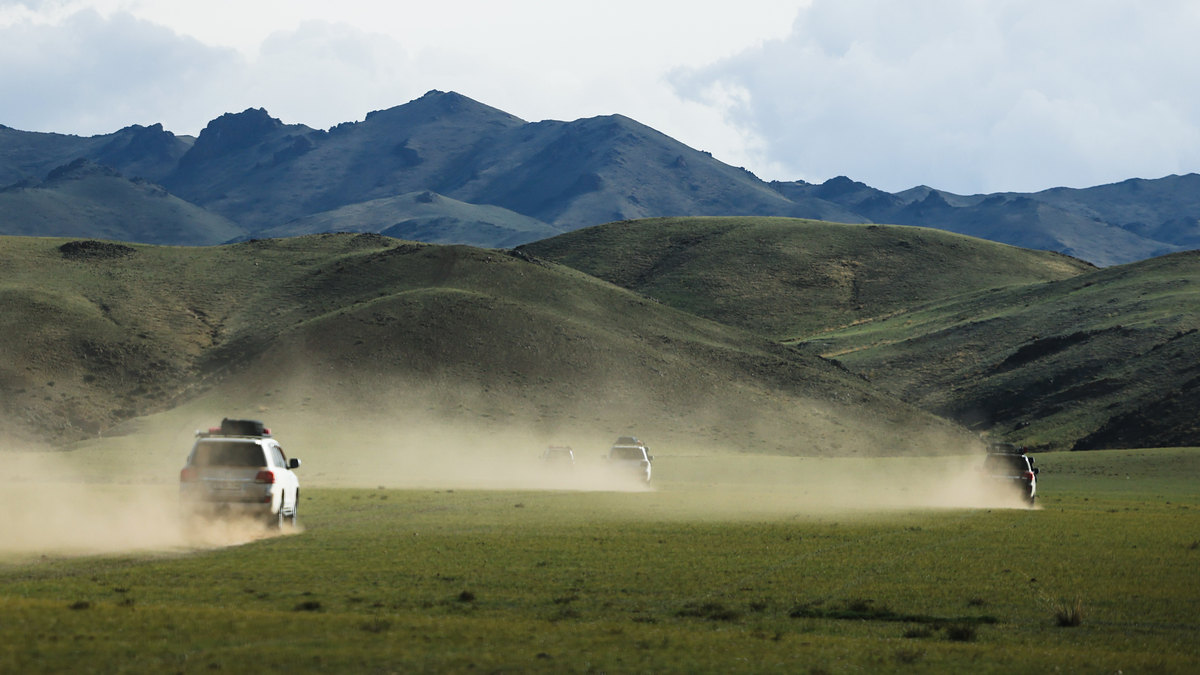
Nomadic Road was founded ten years ago. Its first expedition rolled the year after: Mongolia, 2017.
A group of explorers willing to go further than the map suggested, in a place almost no one considered a destination at all.
No invention. Just an old instinct, taken seriously again.
See where it started →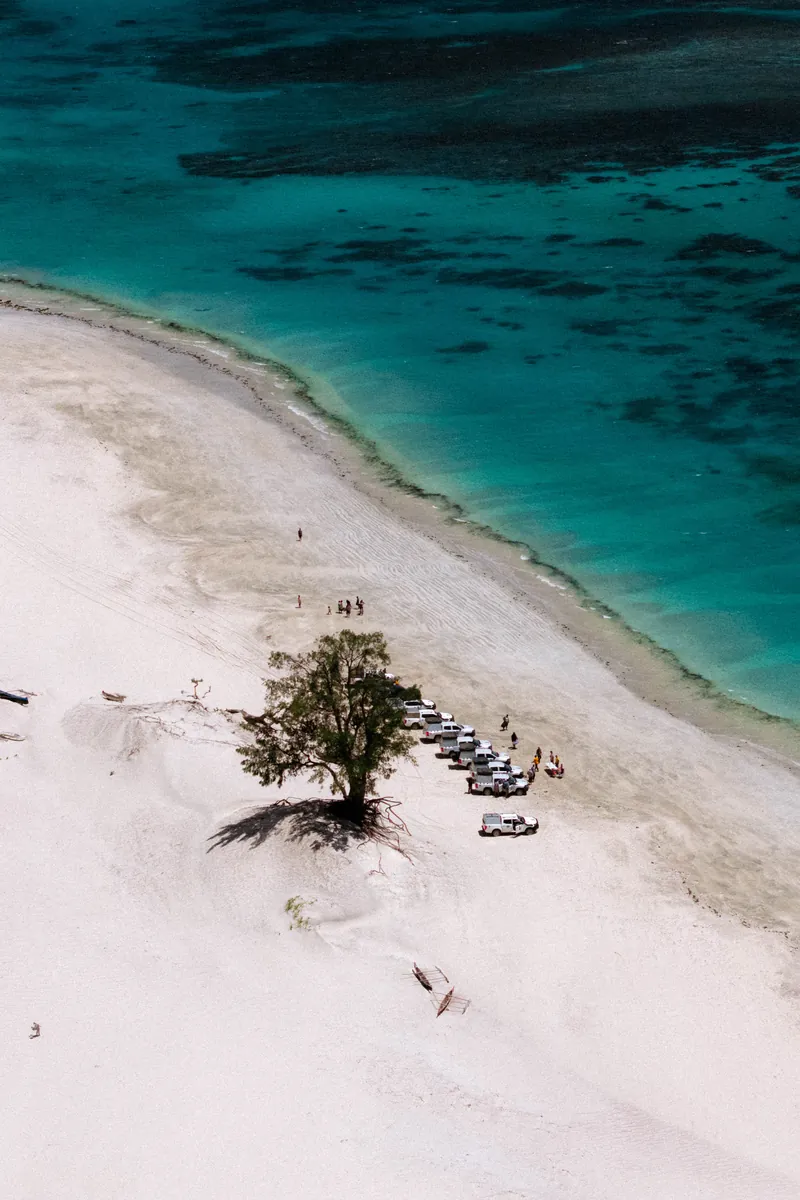

What It Became
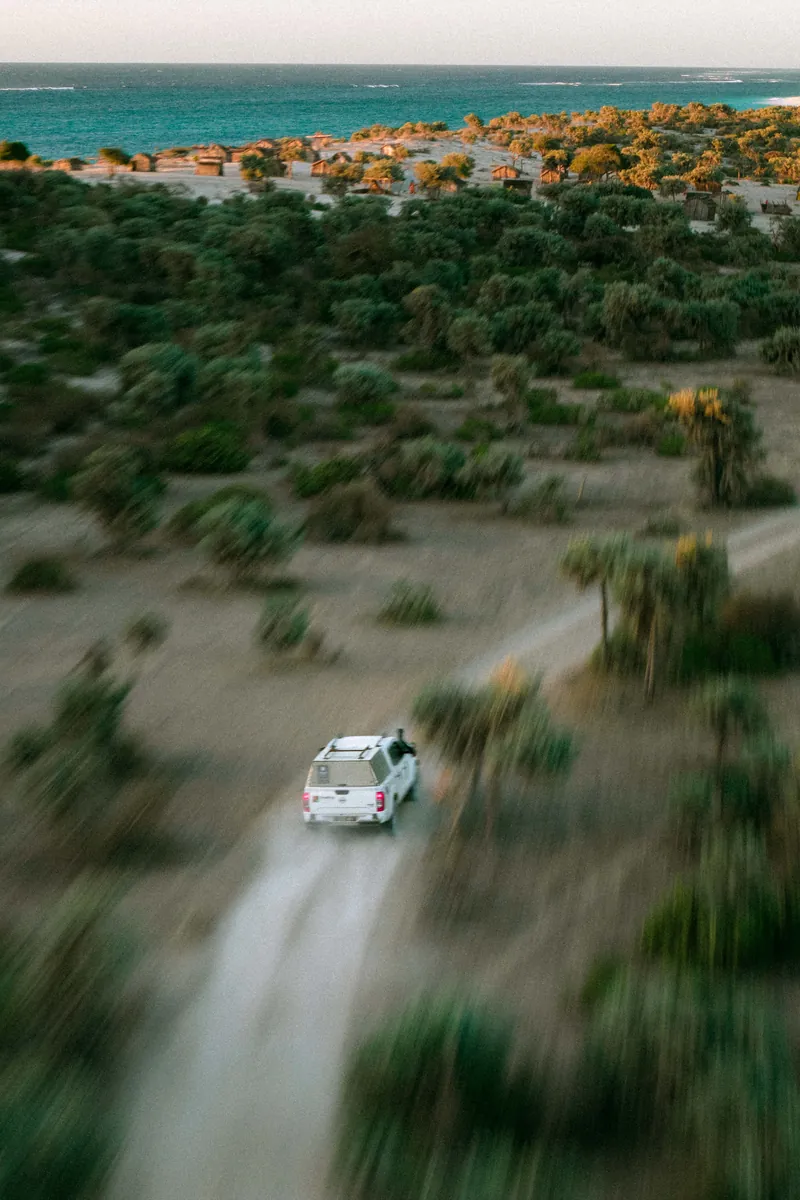
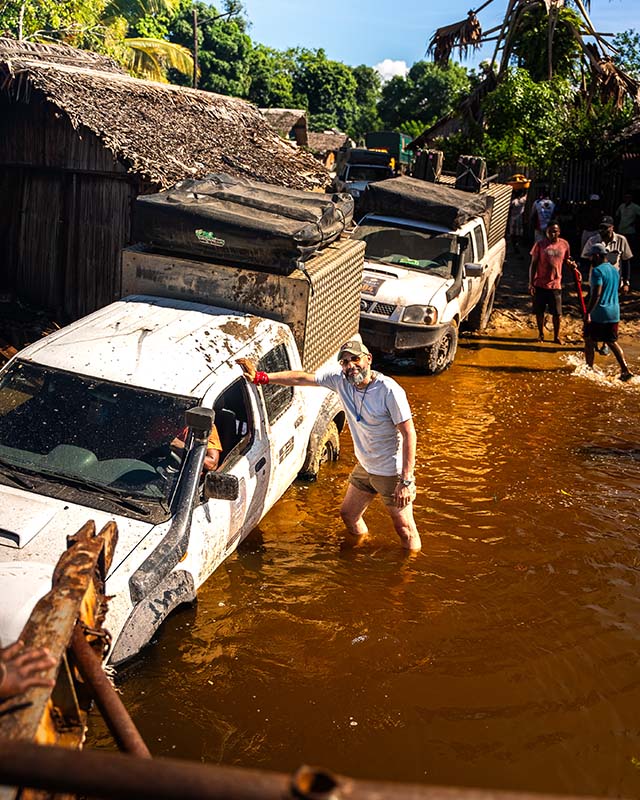
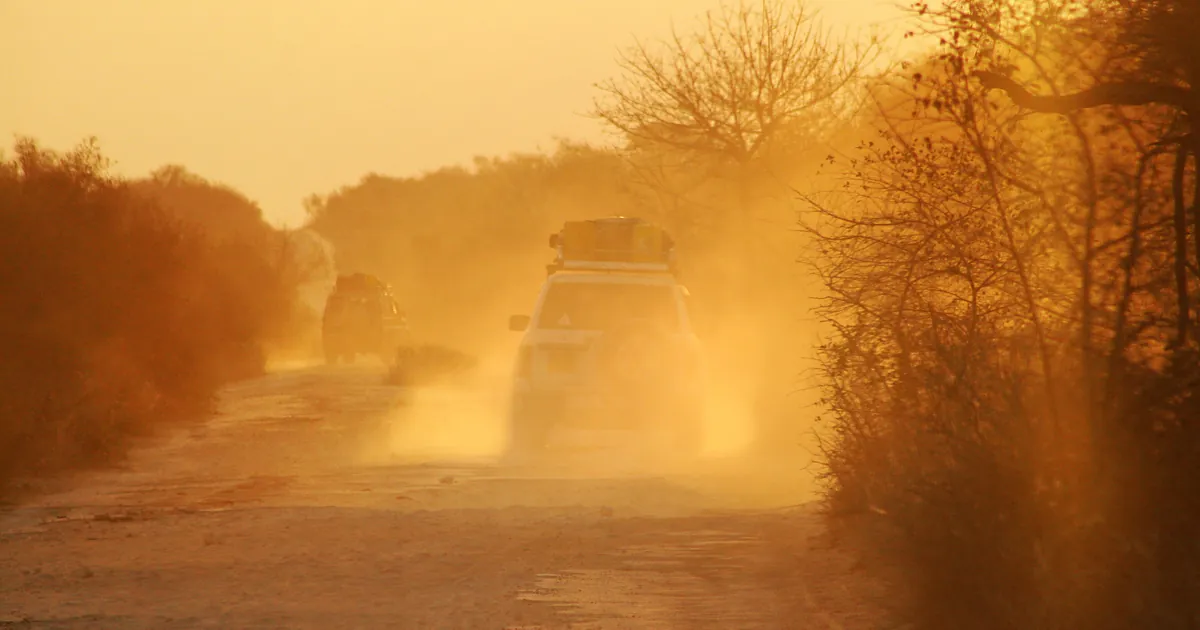
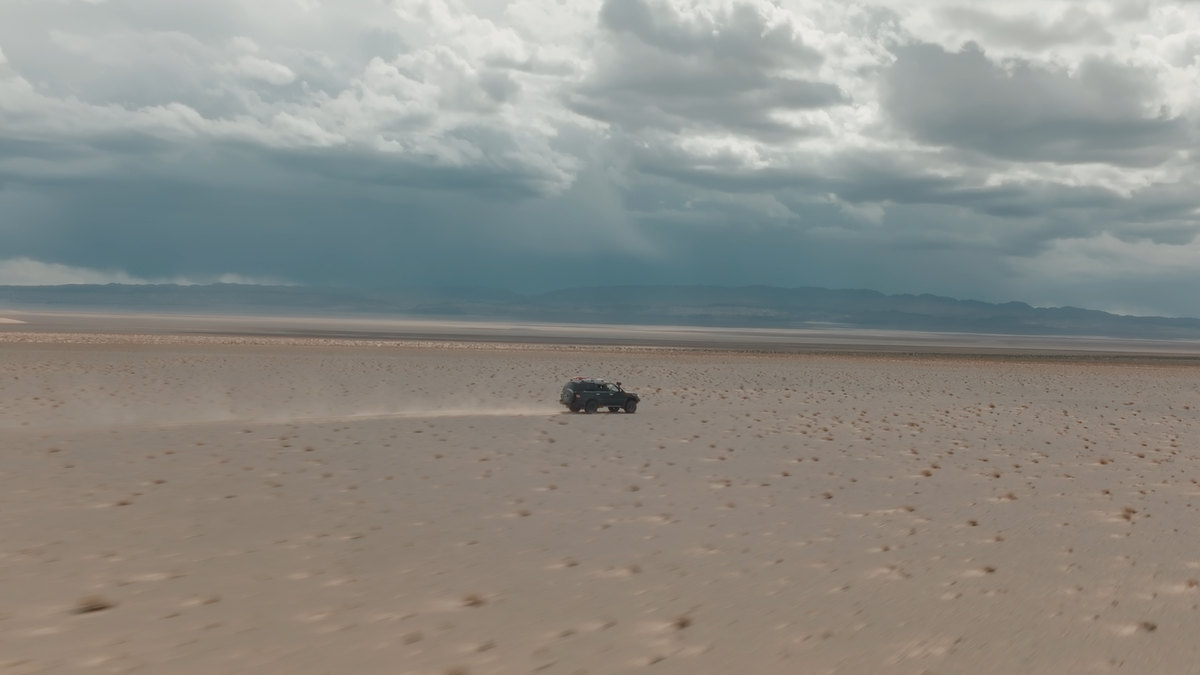
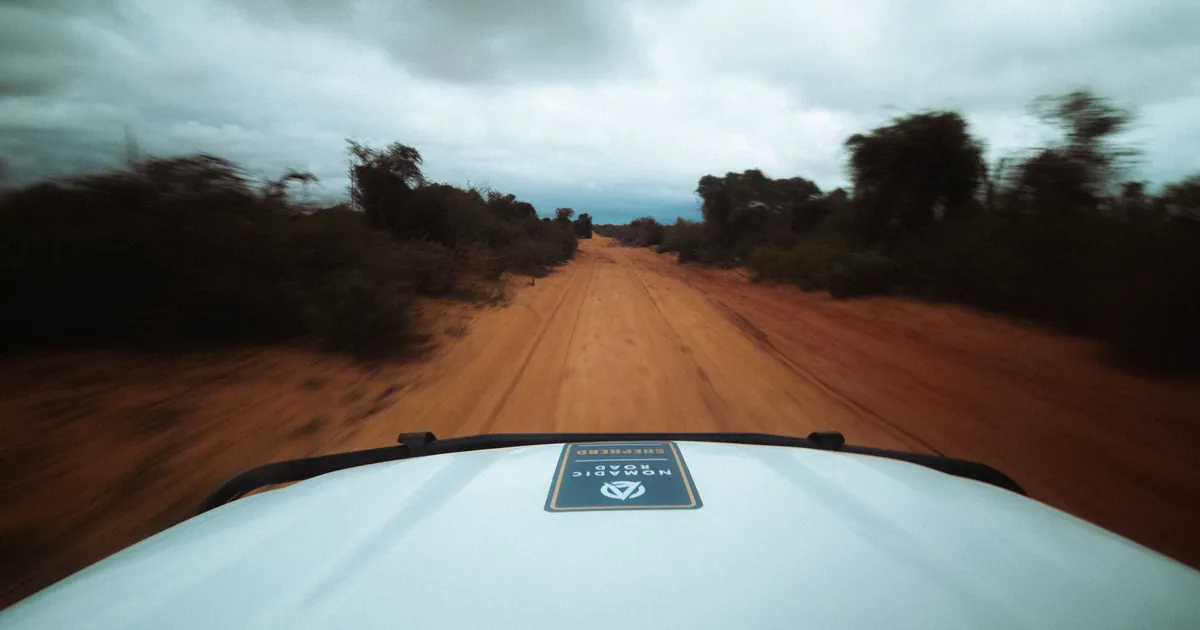
A decade in, that instinct has carried explorers across frozen winters, salt flats, deserts, and roads few will ever attempt.
Ten years of proving the instinct still works, if you’re willing to follow it properly.
Every one of them is on the record → The Archives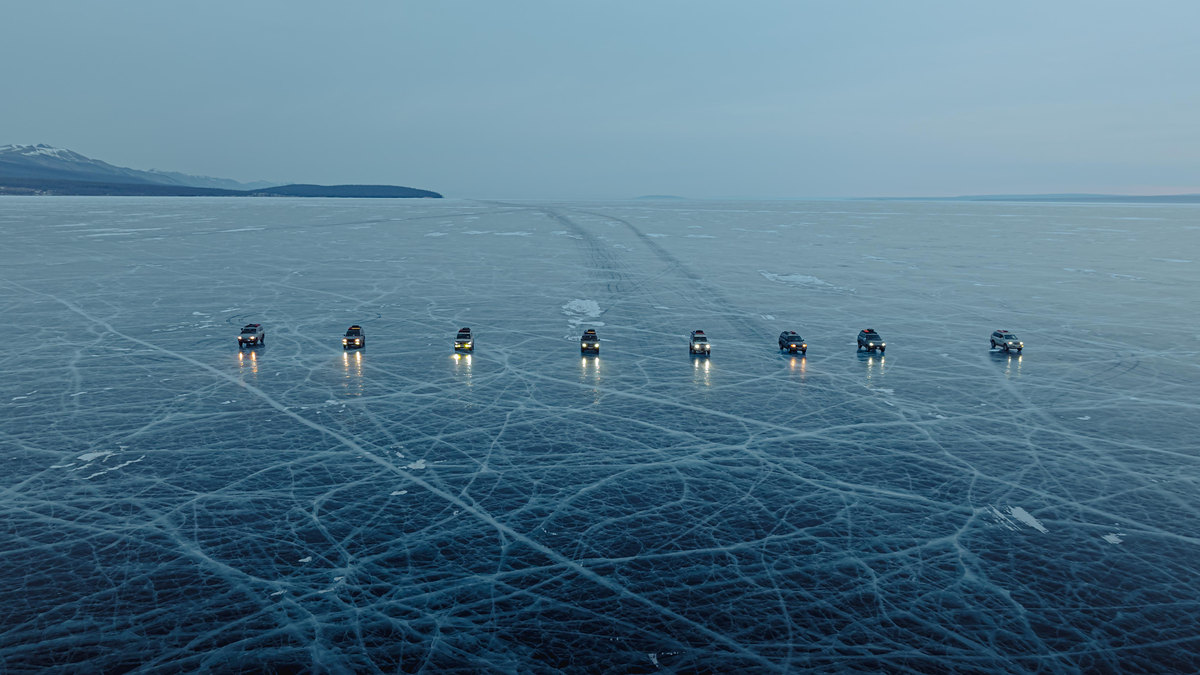


In His Own Words
“Ten years in, I’m going back to where this started: not to look back, to keep going. The journeys I make now never begin with a destination. They begin with a story too big to leave alone, and we go find the road that tells it.”
Still Walking
The instinct that moved the first humans out of Africa is the same instinct behind every expedition we’ve run since. Ten years in, we’re not looking back.
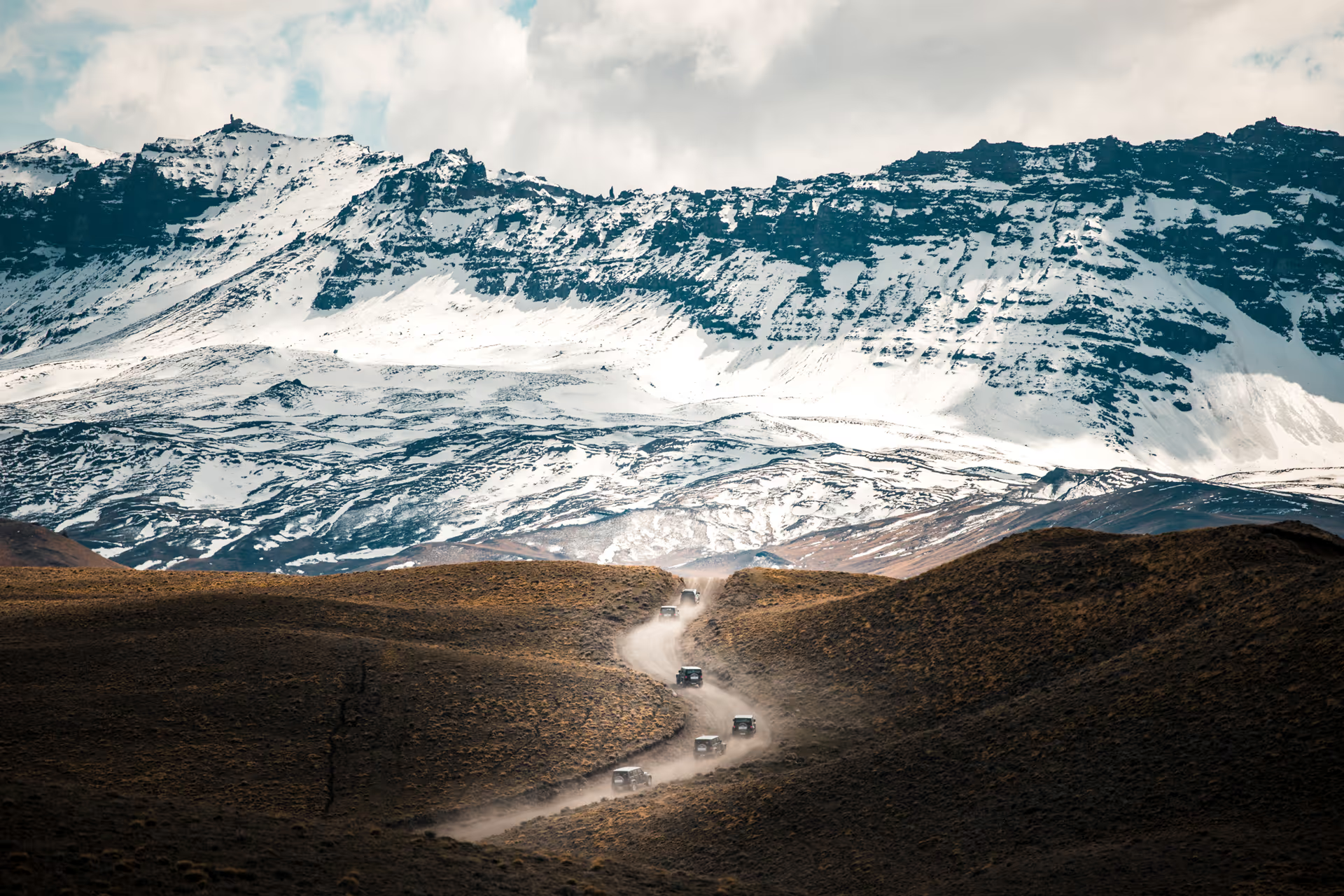
“We’re still walking.”Explore the Expeditions →