

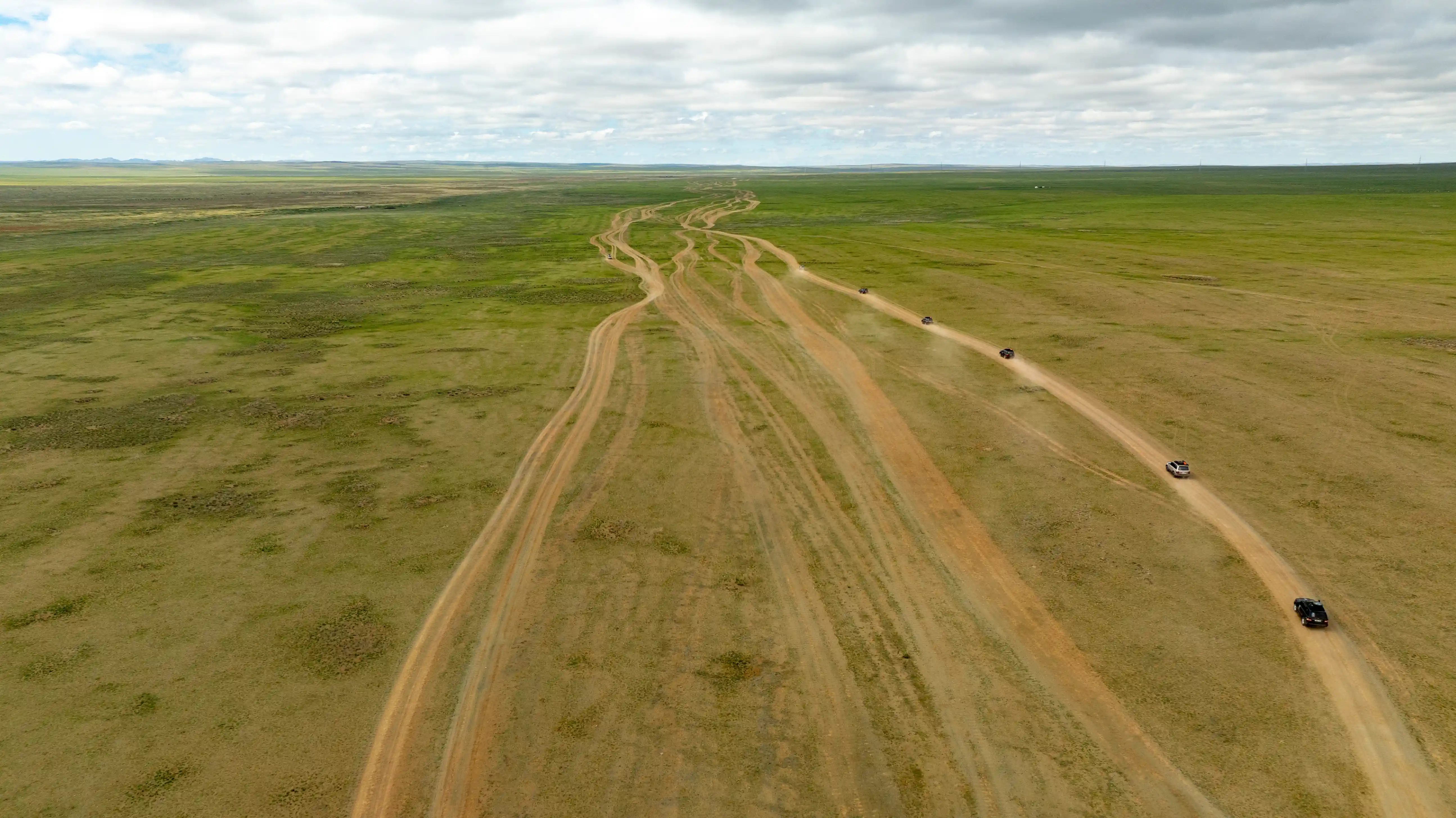
Six Things We Didn’t Expect to Find on the Road in 2025
No matter how well you plan, the road always has ideas of its own. Over the past year, our expeditions took us across deserts, mountains, forests, lagunas, lakes, salt flats, and delivered moments no briefing could have predicted.
This is the reality of travelling well beyond marked roads and fixed infrastructure. Fuel doesn’t always come from stations, landscapes may not behave the way maps suggest, and help often arrives in forms you never imagined.
These are the kind of surprises we yearn for at Nomadic Road. They’re what keep our blood flowing and our wheels turning. Some were fleeting, some much-welcomed, and others required patience or creative problem-solving. But all of them turned into the stories people carry home, the ones that pull them back to life on the road again. And again. And again.
Here are six things we didn’t expect to find on the road this year.
1. A Desert That Wasn’t Dry, Kalahari
The word Kalahari translates to “the great thirst.” It’s fitting, until you’re actually there. You’d likely arrive expecting desolation, monotones, and sand as far as the eye can see. Instead, the Kalahari is alive with wildlife, bursts of vegetation, and more rain than any “desert” should logically receive.
In fact, much to our surprise, 2025 brought an especially wet season to the Kalahari. “There was more water across South Africa, Namibia, and Botswana than I've ever experienced before,” says Rob, Nomadic Road’s expedition leader.
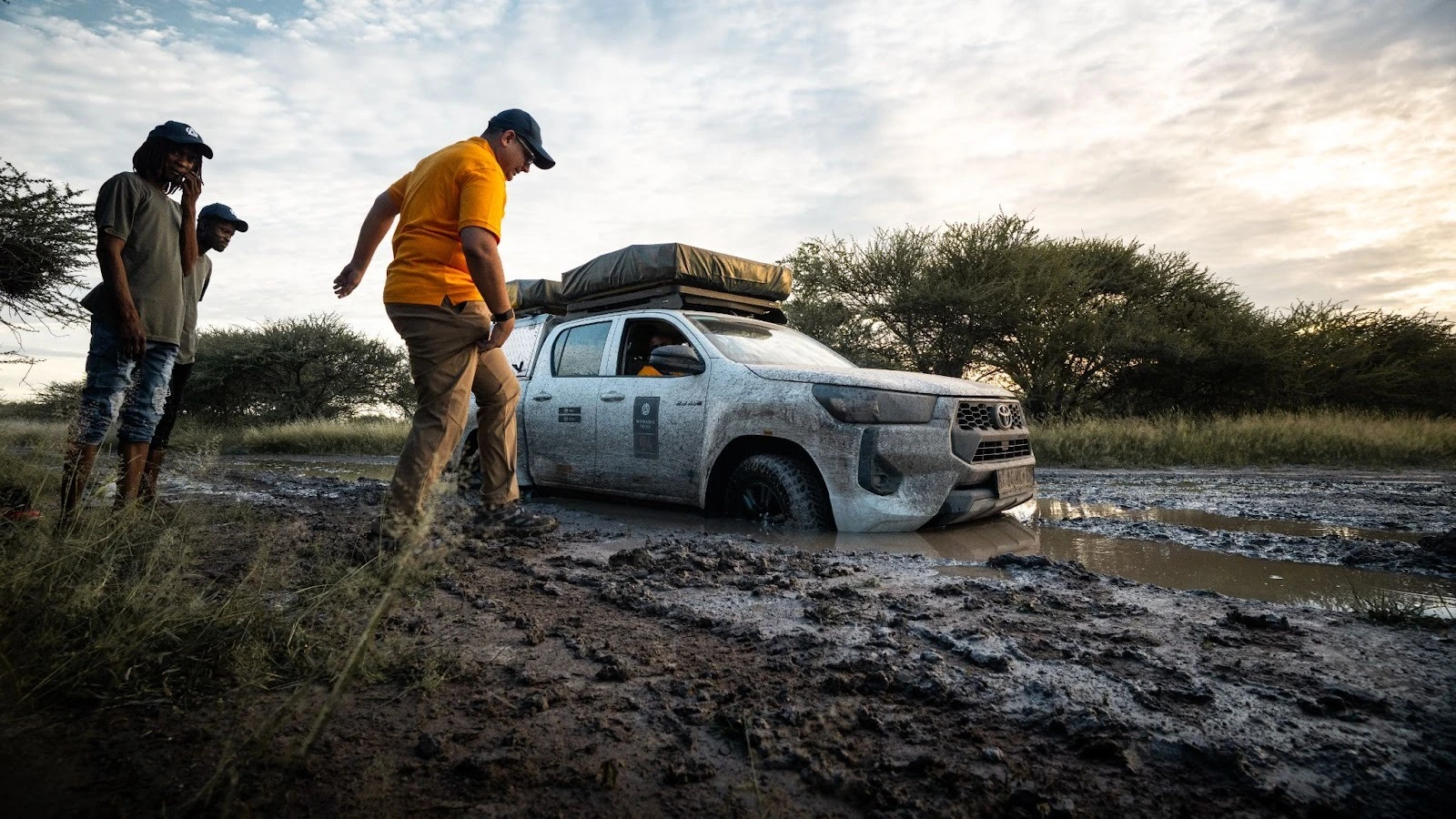
Challenges on remote routes like these are common, but not the kind we experienced. Rain transformed dust tracks into muddy ruts, with water rising to the doors. But at the same time, verdant greens exploded across the landscape. “The bushes were thick… properly thick,” recalls one of the participants. “We had to stay close just to see the car ahead.”
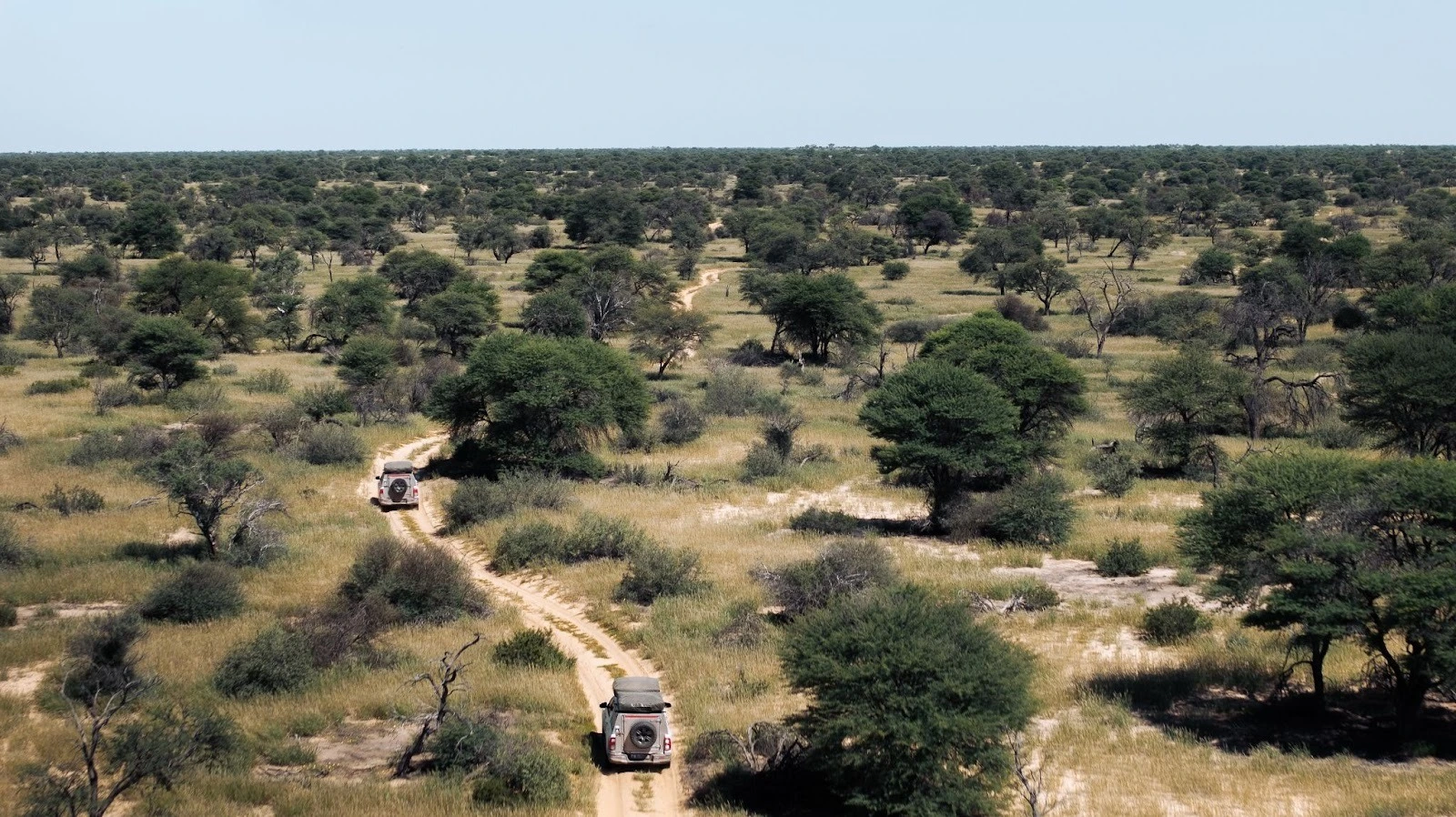
And so, instead of the usual sand and dust, we drove through a rain-soaked desert. The Kalahari didn’t look anything like we expected, and we loved it.
2. A Village-Run Pontoon on Easter Sunday, Madagascar
One would think that overland expeditions are all about 4x4s, wheels, and engines. Wrong. In countries like Madagascar, rivers and estuaries cut through the land constantly. Tough terrain, limited funding, and storms or cyclones mean permanent bridges either never existed or were washed away. Here, temporary, DIY-style solutions like pontoons (a floating bridge of sorts) are what keep people moving.
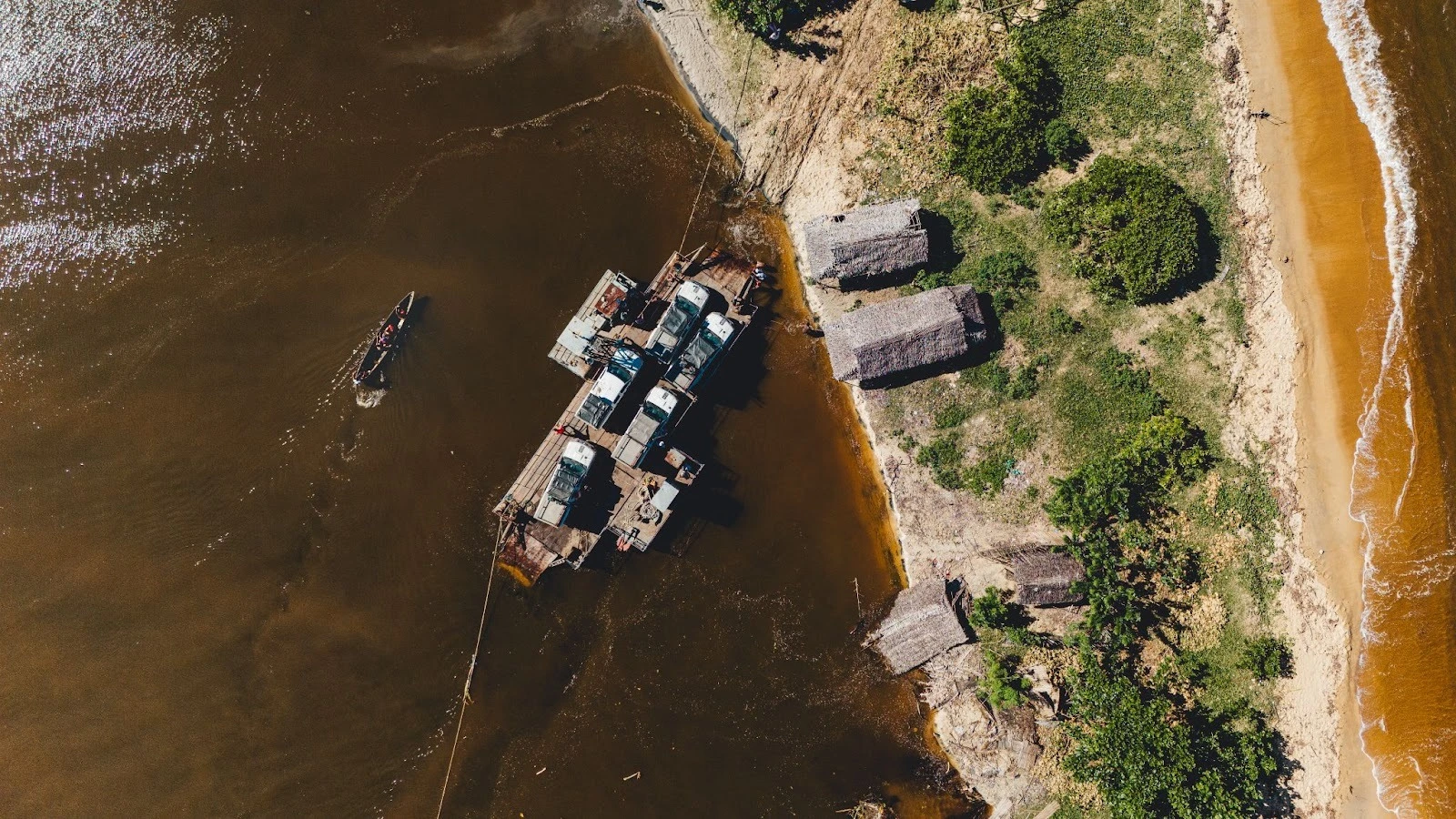
They’re especially common along the RN5, one of the most dangerous roads in the world and the backbone of one of Nomadic Road’s most sought-after expeditions.
Last year, we faced the toughest edition yet of the RN5 expedition, with broken pontoons, high tides, and weather that forced us to cut the journey short. But this year’s run in April 2025 largely worked in our favour, even when it nearly didn’t.
On 20th April, we reached a pontoon crossing that coincidentally fell on Easter Sunday. With all the locals being at church, there was no one around to operate it. Just like that, we were stuck.
But not for long. A group of villagers soon gathered and stepped in to help us across. It was a completely unscripted moment, and thanks to them, we continued on through potholes deep enough to swallow full-sized buses.
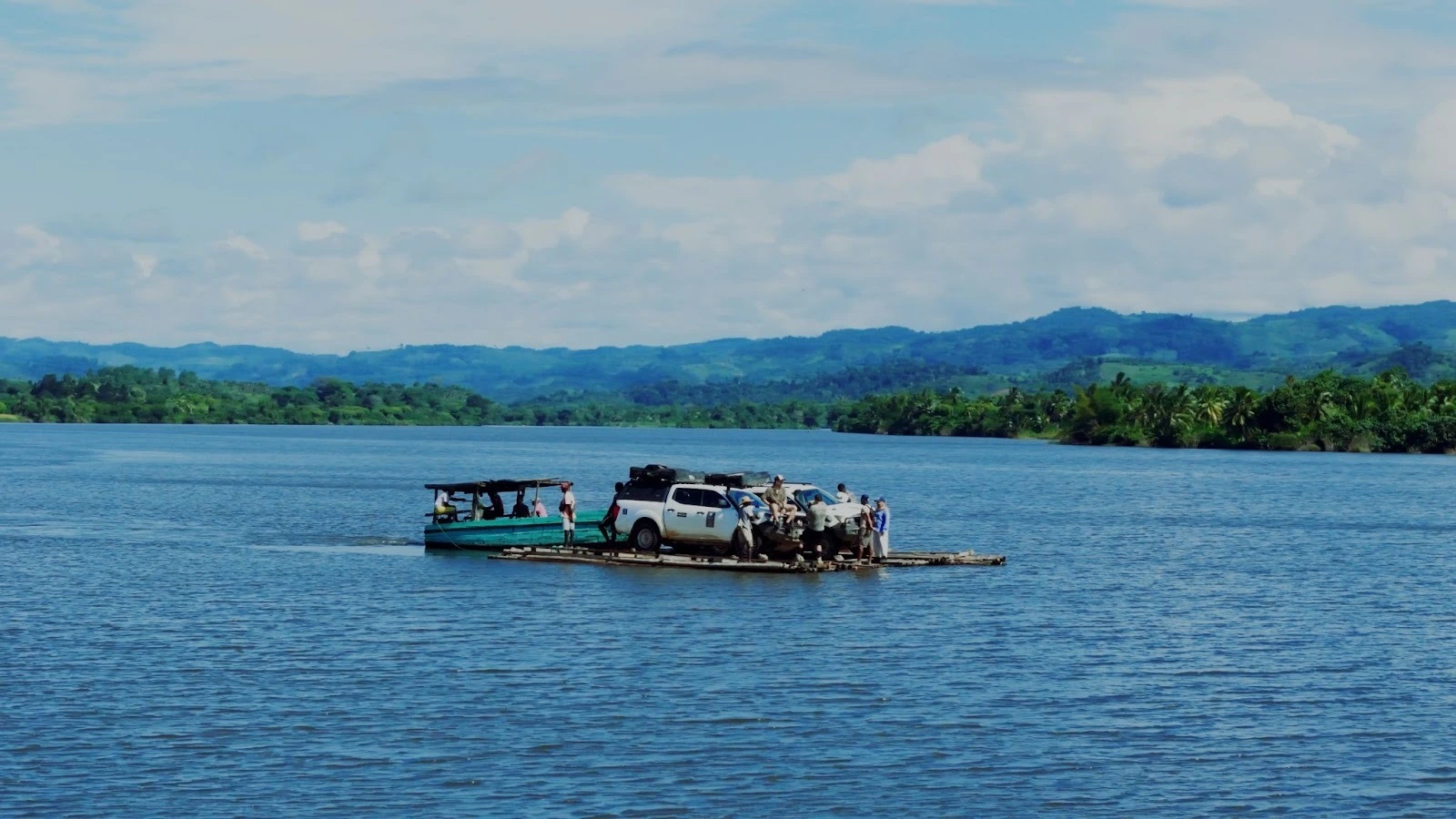
Madagascar’s pontoon crossings have sparked more unexpected travel moments on our expeditions than we can count.
3. A Russian 4×4 Truck in the Middle of Nowhere, Mongolia
Overlanding across Mongolia in the winter means signing up for -25°C days, driving full throttle across solid ice, and spotting Przewalski’s horses, the last truly wild horses on Earth.
Sometimes, it also means being transported to a completely different era.
No one expected to find a Soviet-era 6×6 Russian truck casually parked outside one of our stays. But there it was: unapologetically functional, and utterly at home in the landscape.
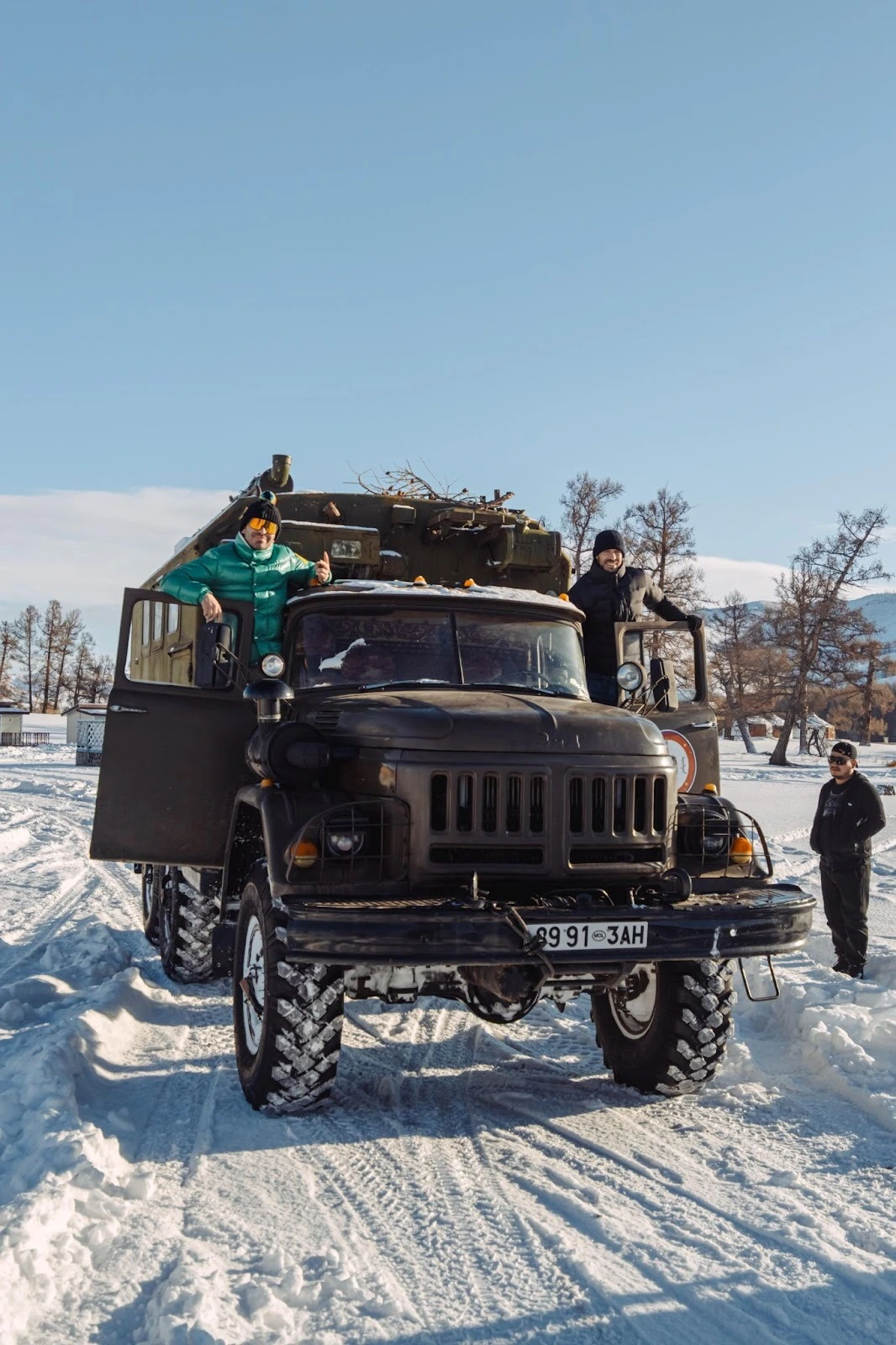
Mongolia’s ties with the former Soviet Union run deep, and remnants of that period still surface in the most ordinary ways, especially on the road. Trucks like this weren’t built for comfort, but to be repaired anywhere, survive brutal winters, and keep going no matter what. Decades later, they still do exactly that.
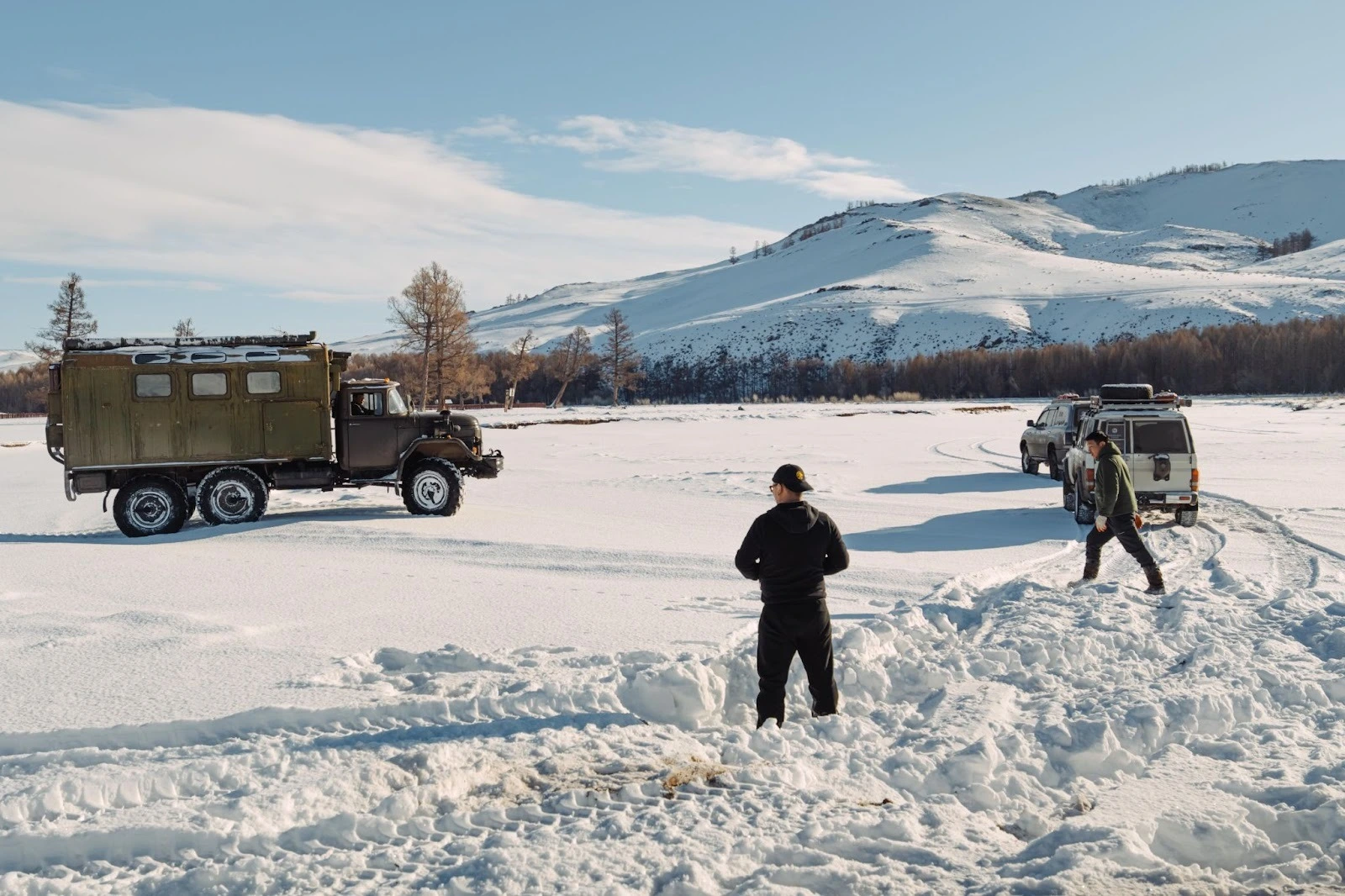
Naturally, we had to take the big boy for a spin. Heavy steering, a growling engine you hear long before it moves… this was winter driving, Mongolia-style.
“Driving this monster Russian truck in the middle of nowhere… that was insane,” says one of the participants. “I live for this kind of thing.”
4. A Moroccan-Style Lunch on the Salt Flats, Bolivia
We can’t pretend this one was accidental. But even when you know it’s coming, nothing prepares you for the feeling of it. A Moroccan-style lunch served in the middle of the world’s largest salt flat hits differently when the landscape is a blinding white horizon in every direction. It’s the kind of Nomadic Road moment you can’t quite explain until you’re standing there, eating hot food in a setting that feels like another planet.
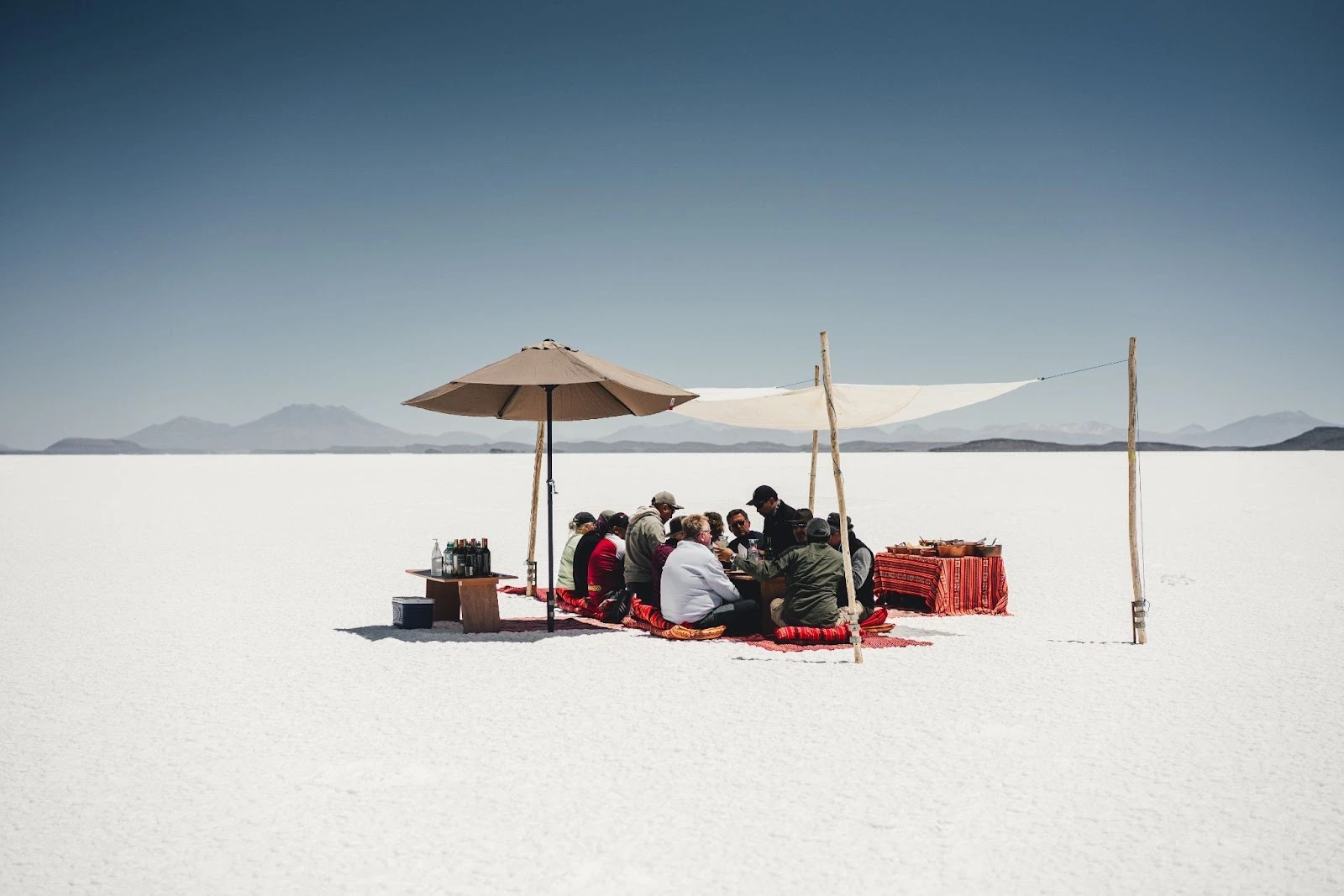
The Nomadic Road support crew includes expedition leaders, guides, and chefs. It’s a team that works quietly and tirelessly to ensure participants have the best possible experience and that nothing is left unfulfilled.
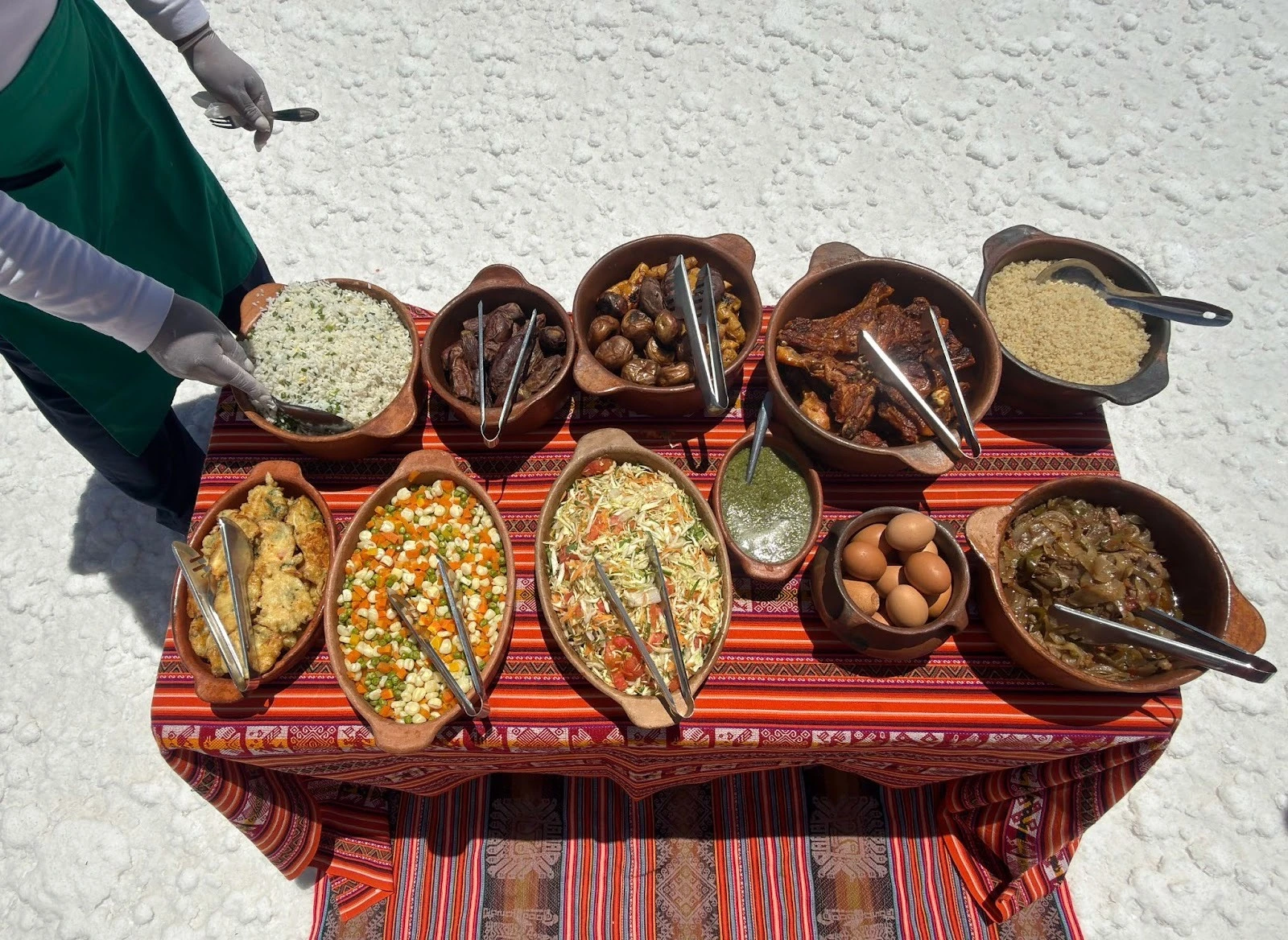
Photograph by our fellow explorer
As one of the participants, put it at the end of the Bolivia expedition: “The boys, the support team, did such an excellent job. They made me feel like a queen.”
5. A Fuel Station That Was Just… a Container, Mongolia
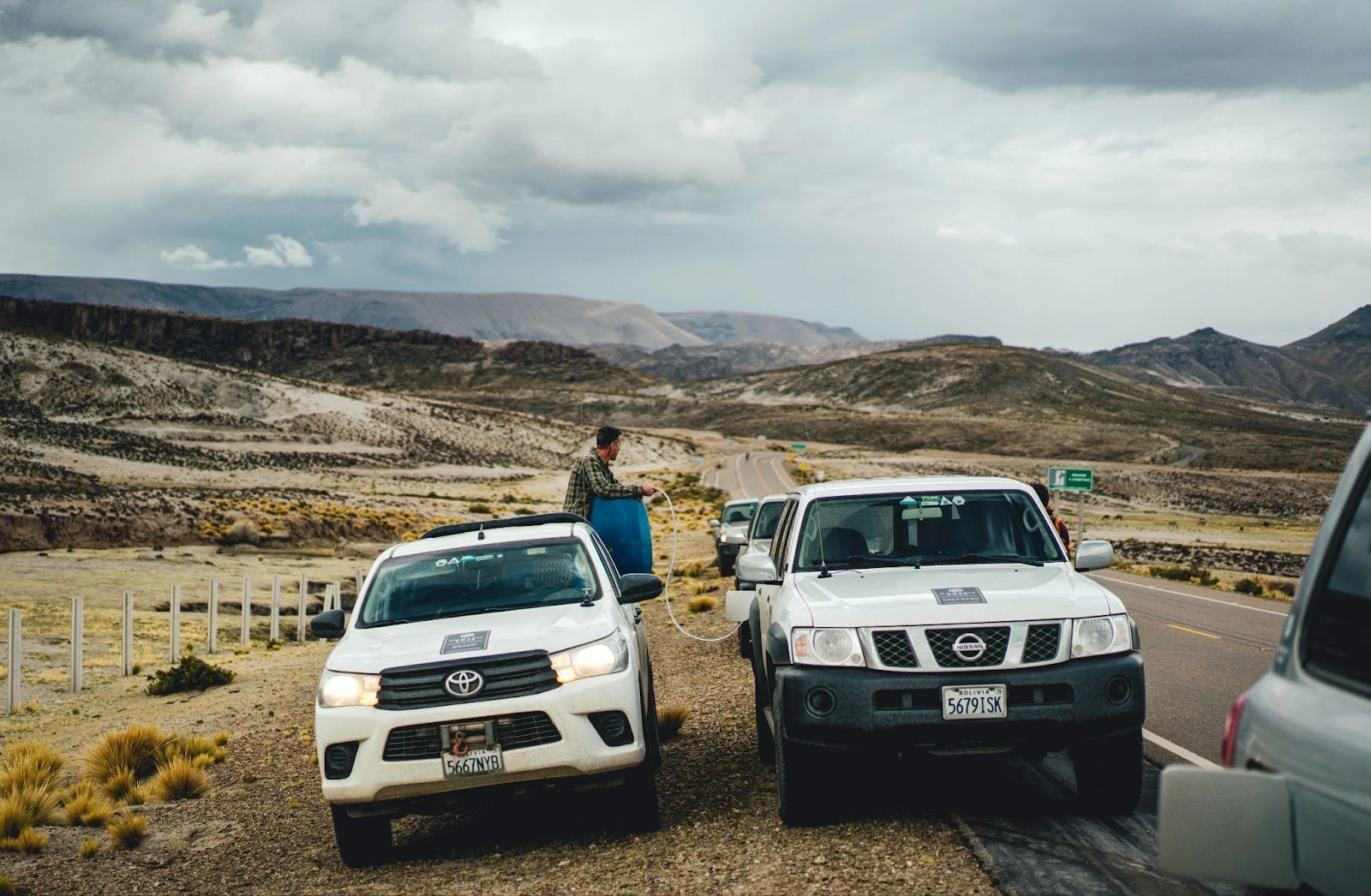
When you step outside the systems you’re used to, even the most mundane parts of daily life take on a different weight. Fuel, so ordinary at home you barely think about it, becomes one of the most common challenges on remote routes in Mongolia and Bolivia. Out here, you learn very quickly that getting it isn’t always as simple as finding a station. In Bolivia, the Nomadic Road support team would often go out in the dark of night, finding fuel on the black market to keep the convoy moving.
And in Mongolia, fuel sometimes shows up in the most unexpected forms, like a giant shipping container full of diesel sitting in the middle of the steppe.
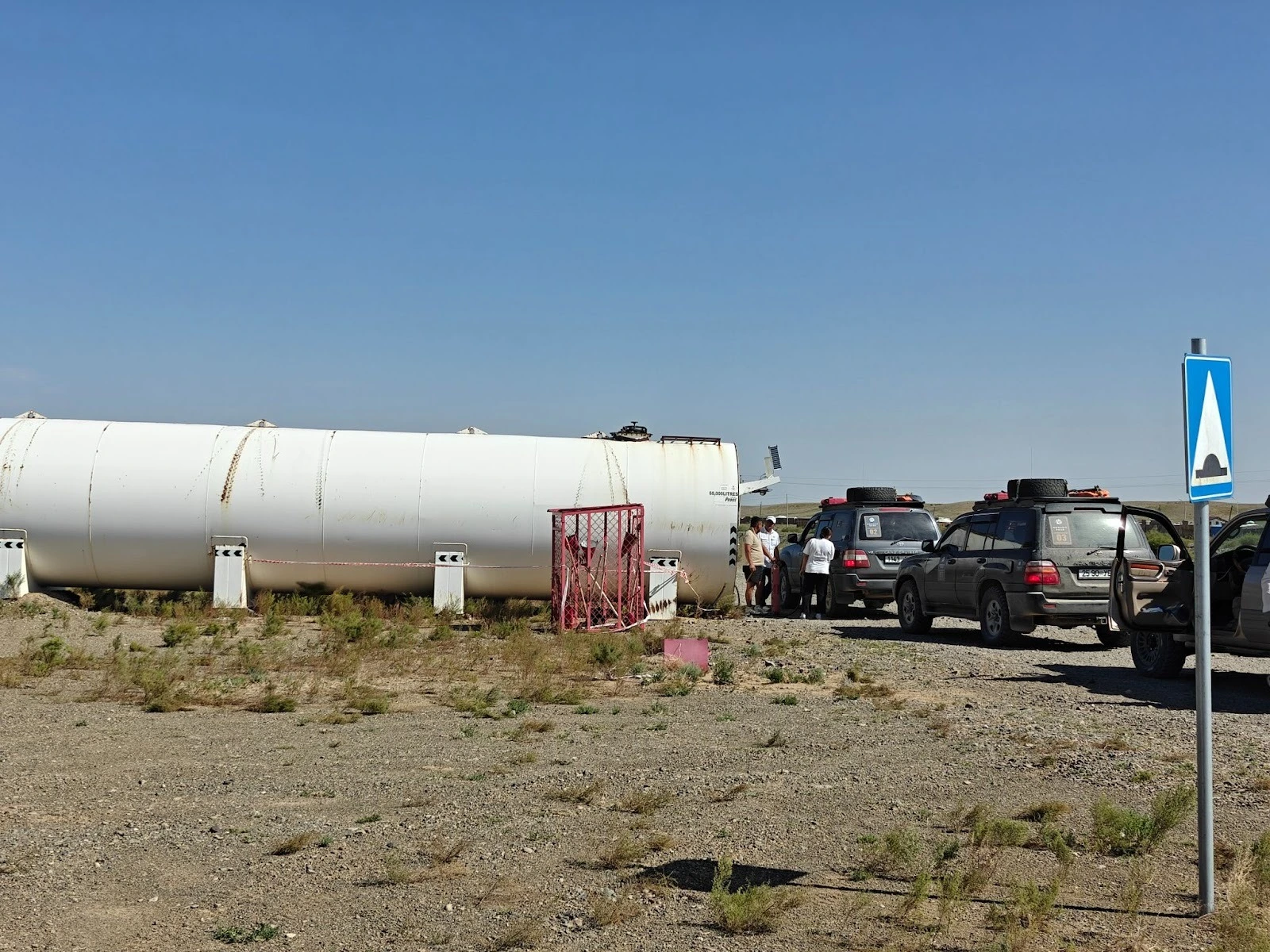
Mongolia imports most of its fuel from Russia, and shortages are common, especially in summer. Out here, a “station” is sometimes a repurposed container, a patch of dirt, and a man with a funnel.
6. A Live Counter Set Up So Lunch Wouldn’t Be Cold, Mongolia
Leading overland expeditions in remote terrains requires you to always be one step ahead. You think in the future, assume the worst could happen, and stay ready to improvise so participants have an experience that feels effortless, even when it isn’t.
That spirit of care often shows up in small, unplanned ways. On day five of our Mongolia expedition in September, the team swapped a quick picnic lunch for food that was warm and freshly prepared. “We went to the closest restaurant in the village,” Venky recalls. “William, our expedition leader, and the local guide improvised. They went to a supermarket, bought some sauce, pasta, sausages, fruit, and started preparing a live counter at the restaurant. We didn’t plan it intentionally, but it turned out to be a lively break. People helped out, laughed, and really enjoyed it.”
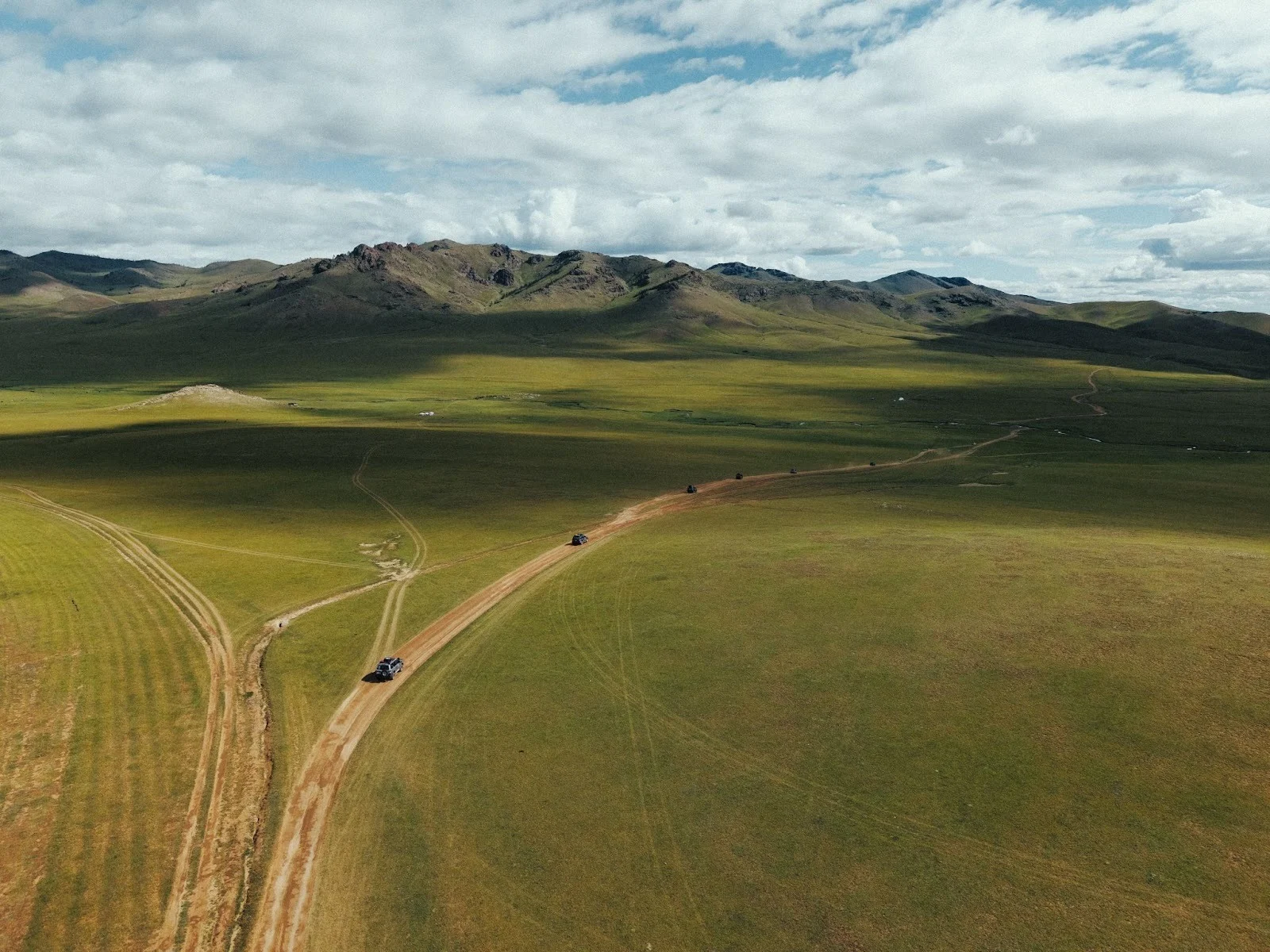
It was a simple moment, but it showed exactly what makes these journeys work: care, resourcefulness, and people who will always go the extra mile, even at lunchtime.
The Value of What You Don’t Plan
Travel documentarian Anthony Bourdain once said, “I'm a big believer in winging it… letting the happy accident happen is what a lot of vacation itineraries miss.”
At Nomadic Road, this is precisely why we intentionally keep about 30% of our overland expeditions unplanned and unscripted. There are always safeguards for worst-case scenarios, but we do believe, fiercely, in leaving room for chance. It’s in the unexpected travel moments that there’s often the most meat for growth, storytelling, and connection.
If there’s one wish we’re taking into 2026, it’s for life on the road to keep catching us off guard.
RELATED STORIES
What Will Travel Look Like in 2026? Predictions From the Road
Why More Women Are Choosing Adventure Travel And Why It’s Here to Stay