Why More Women Are Choosing Adventure Travel And Why It’s Here to Stay
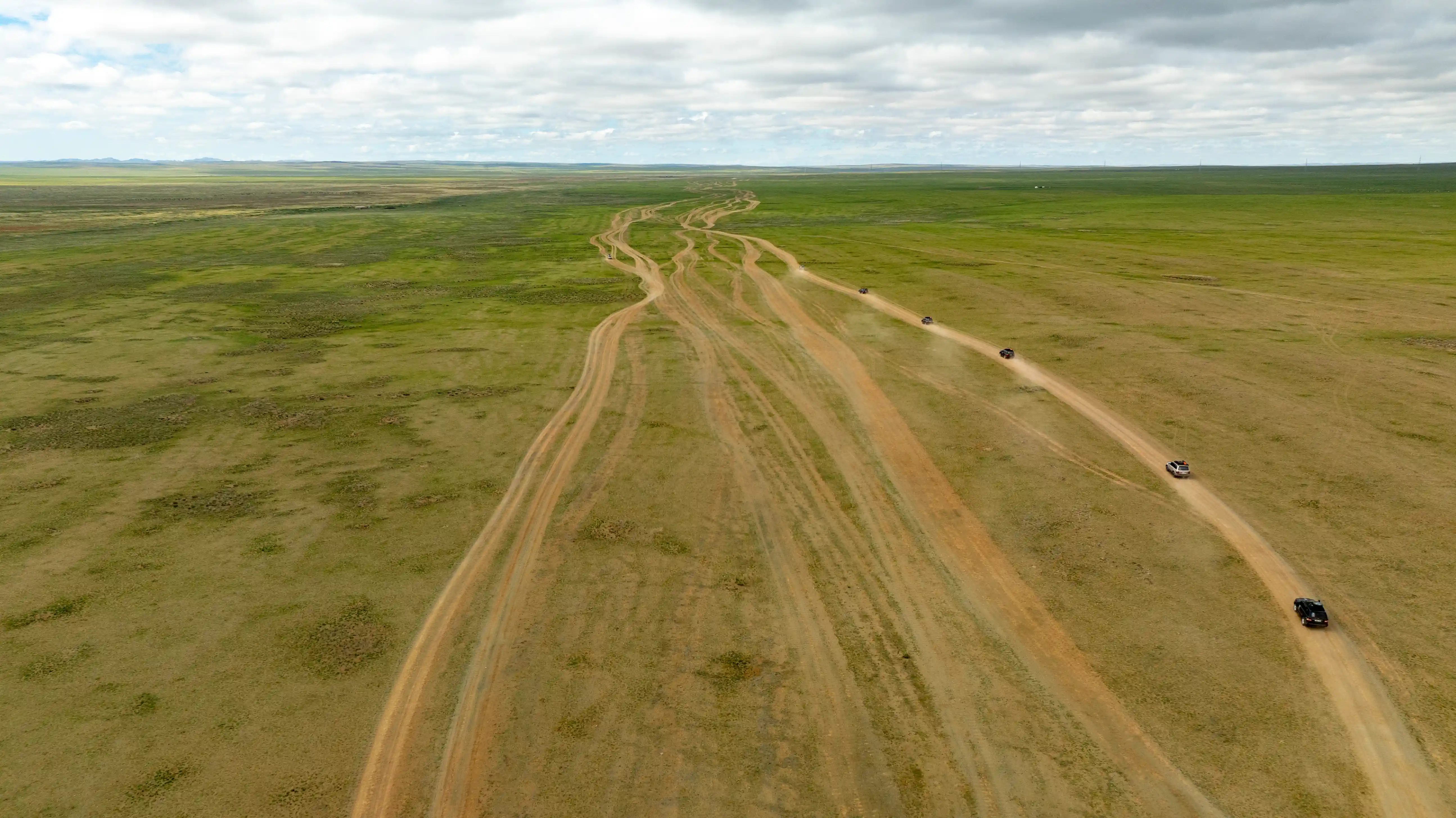
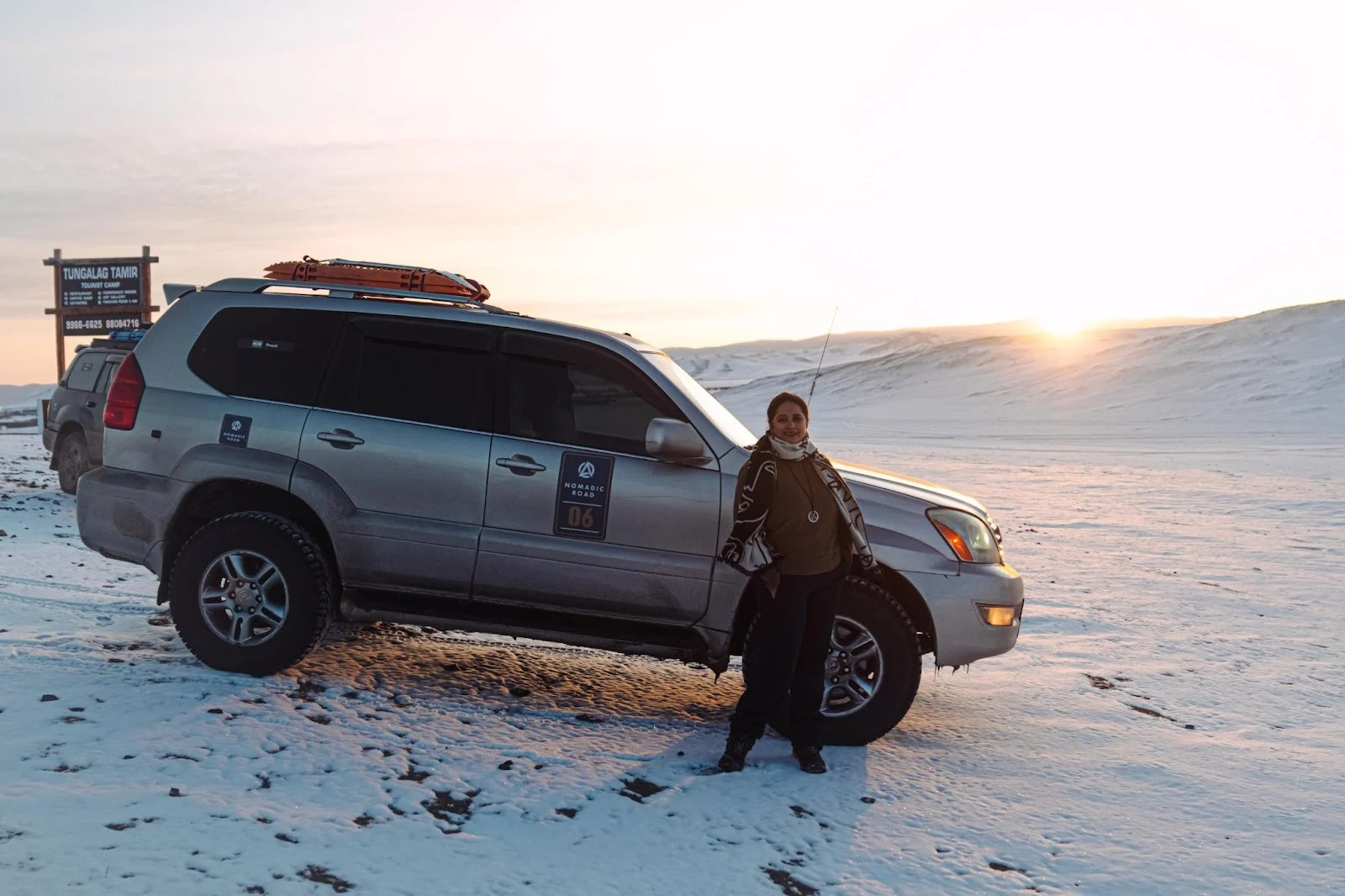
On Nomadic Road’s Cold Steppes Mongolia expedition, temperatures plummet to as low as -30°C. In the dead of winter, whiteouts erase horizons, last-minute route changes are common, and almost everything freezes over. Over 11 days, we overland 2,600 kilometres across northern, central, and western Mongolia.
As you’d imagine, things get hard. Really hard. Most participants arrive in pairs, choosing the comfort of a familiar presence in a place that’s both unfamiliar and extremely testing. But there are always exceptions.
One of our fellow travellers was among those exceptions. She joined this year’s Mongolia winter expedition solo. “There was this word ‘rugged’ in the expedition description that caught my attention,” she says. “I like to do little crazy things.”
The Rise of Women Solo Travel
Globally, more women are choosing to travel on their own terms. According to Virtuoso, a global network focused on experiential and luxury travel, women now make up over 70% of solo travellers.
The reason women choose solo travel is driven by a cluster of factors. Greater financial independence plays a role, as does a growing tendency among women to prioritise experiences over possessions. Searches for “female solo travel” surged after the pandemic, suggesting a broader reckoning with how and why we move through the world.
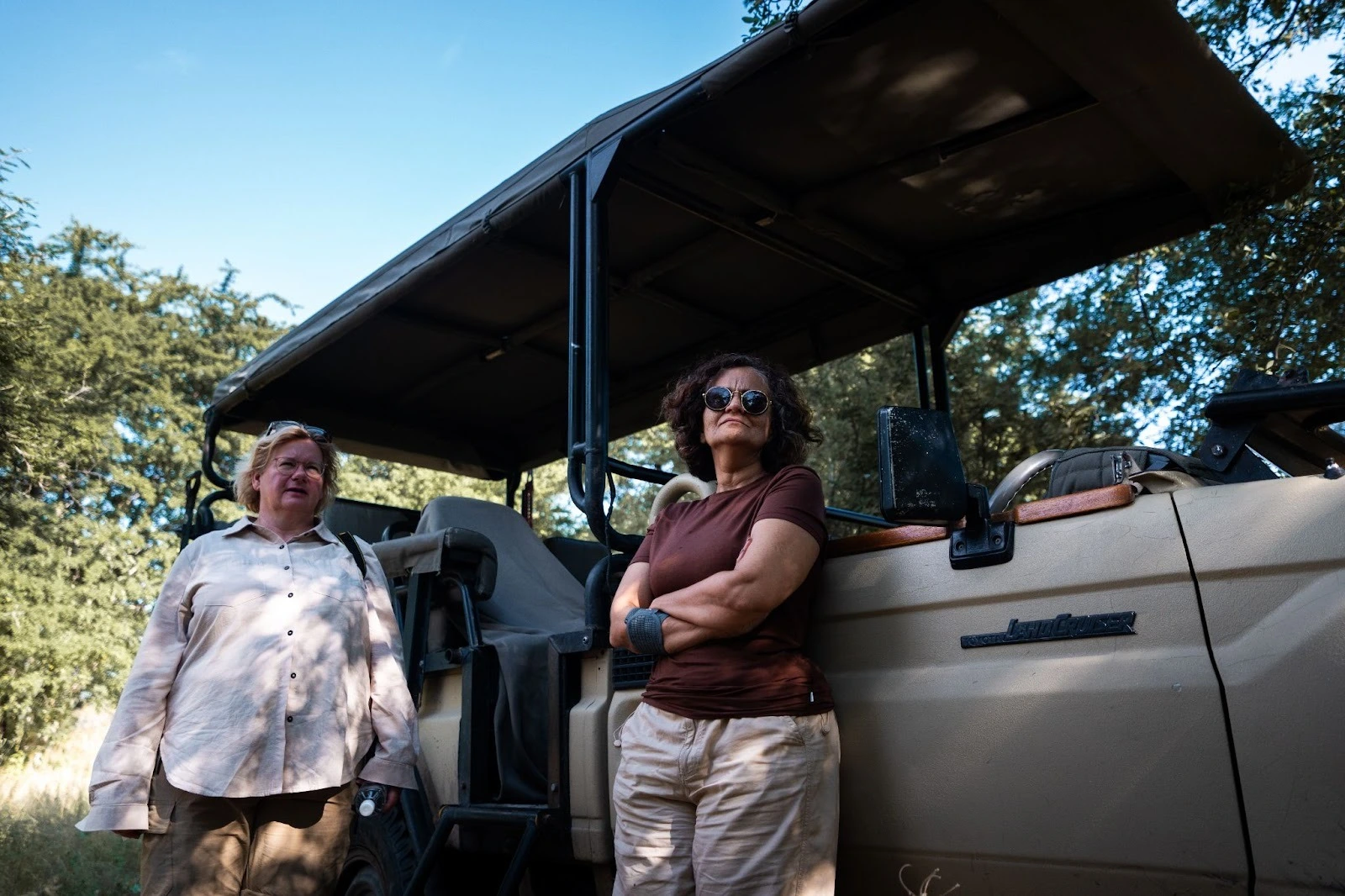
What’s changing, too, is where women are going. More and more women are venturing into landscapes that demand grit and thick skin. Studies in recent years show that adventure travel is increasingly popular among women over 50, and that women now account for more than half of bookings with adventure-focused travel companies.
These trends are going nowhere. In fact, there’s reason to believe that even more women are going to jump on the bandwagon in 2026.
When Travelling Alone Leads You to Others
For many women, setting out on a journey by themselves is a form of self-care. It’s an unsaid declaration that, for a while, they will worry about nobody else. Care only for themselves. Self-indulge and look inwards. There is power in both thinking these thoughts and living them, especially for a gender that has long been encouraged to put its own needs second.
Of course, travelling solo doesn’t mean being alone the entire time. In many ways, the opposite is true. Strangers are more likely to strike up a chat with someone arriving alone than with someone travelling as part of a couple or a family.
What’s more, friendships on the road tend to form quickly, without the usual social scaffolding. For many women, these fleeting but meaningful connections can feel grounding.
A returning traveller from Germany has now joined two Nomadic Road expeditions solo, first to Peru in 2024 and then to the Kalahari in 2025. Beyond the landscapes, what stayed with her were the moments of collective problem-solving.
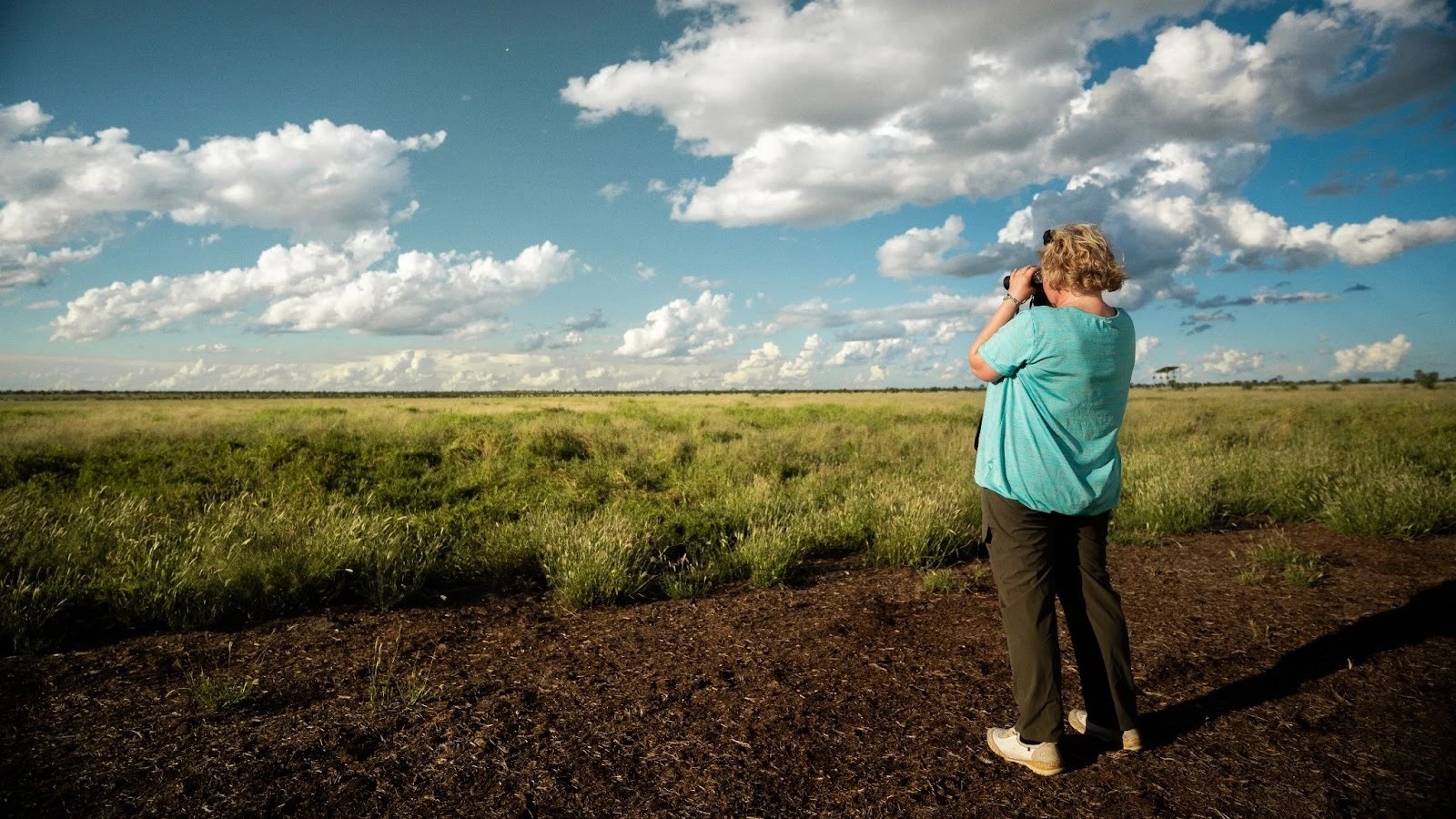
“The most memorable moment was when we got stuck and couldn’t cross a hill,” she says. “That was when it didn’t matter who got us through, as long as we made it together as a group. I really liked that.”
Why Group Expeditions Are Drawing Women Solo Travellers In
For women who want to travel solo without being entirely on their own, group expeditions are an increasingly appealing middle ground. They offer the freedom of arriving independently, without the weight of managing logistics or the complexities of navigating unfamiliar environments. At the same time, they place you directly among like-minded people who are likely just as audacious and curious as you.
Once the practical barriers are removed, the question shifts from can I do this? to what do I actually want to do? It’s no surprise, then, that more and more women are signing up for experiences that stray far from the idea of a “usual holiday.” Think scuba diving, safaris, heliskiing, and long overland journeys instead of see-everything itineraries built around resorts and fixed schedules.
A solo traveller from Ireland joined our Nomadic Summer Mongolia expedition earlier this year for one simple reason: she wanted to drive. “It was something completely different,” she says. “I couldn’t find anything else where you could drive yourself around in a place like Mongolia. That’s what motivated me to come. It wasn’t like your regular holiday.”

The driving, however, was also the most challenging part for her. “I’d never been off-road,” she admits. “But by the second day, I got used to the size of the car, and everyone in the convoy got going.” By the end of the expedition, that same challenge had turned into a lesson she would take back home. “I learnt that I can do hard things, like driving off-road in a car that’s much bigger than me.”
Rewriting What Women Are “Supposed to” Do
In choosing journeys like these, women are also often unintentionally dismantling long-standing assumptions. Long days behind the wheel, difficult terrain, physical fatigue, and mental endurance sit in direct contrast to tired stereotypes about women being “bad drivers” or inherently risk-averse.
For many, travel is also a way to process transition. Loss, change, and moments of reckoning often push women to seek something unfamiliar and demanding. On a recent Bolivia expedition, one of our fellow travellers, a photojournalist, chose the journey during a deeply personal chapter in her life. She travelled with her partner on far-flung adventures.
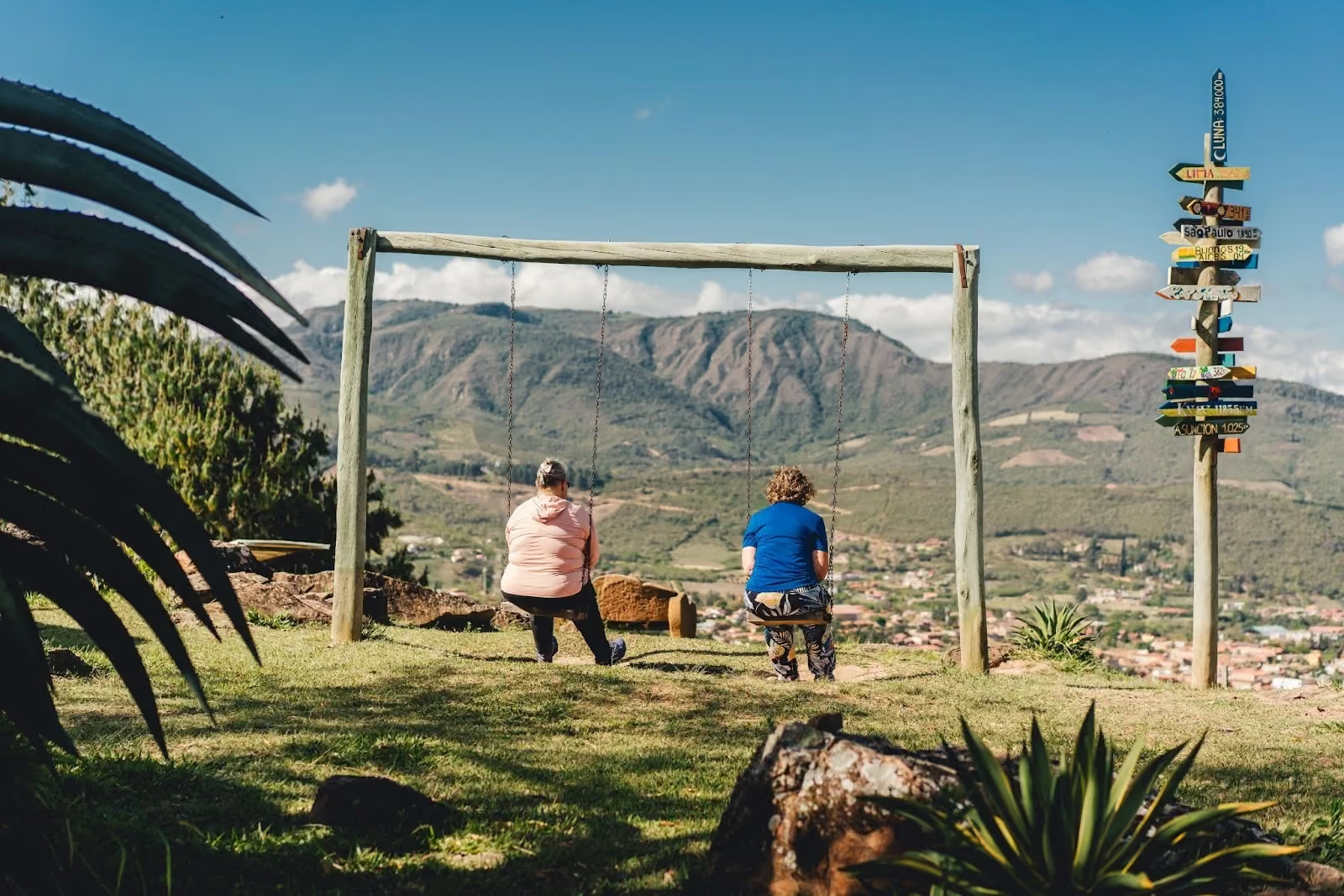
“We made a good team,” she writes. “Her partner’s ‘get out of my way’ attitude proved very useful in tackling the city driving, where I would have been paralysed with fear trying to weave in and out of traffic, dodging street vendors and locals darting into the street. I’m much more of a pokey driver, often with my eyes not on the road, looking left and right for possible photo opportunities. A slower pace on the gravel and dirt roads suited me to a tee.”
This Is Starting to Feel Ordinary
Perhaps the most telling shift is that none of this feels radical anymore. Independent women travellers choosing difficult terrain and signing up for long days behind the wheel are not acts of defiance, but plain human choices.
In 2026 and beyond, we hope these choices stop being framed as exceptions, and start being understood simply as what they are: people following their curiosity.
That future feels closer than it ever has.
RELATED STORIES
What Will Travel Look Like in 2026? Predictions From the Road
Why More Women Are Choosing Adventure Travel And Why It’s Here to Stay