What Will Travel Look Like in 2026? Predictions From the Road
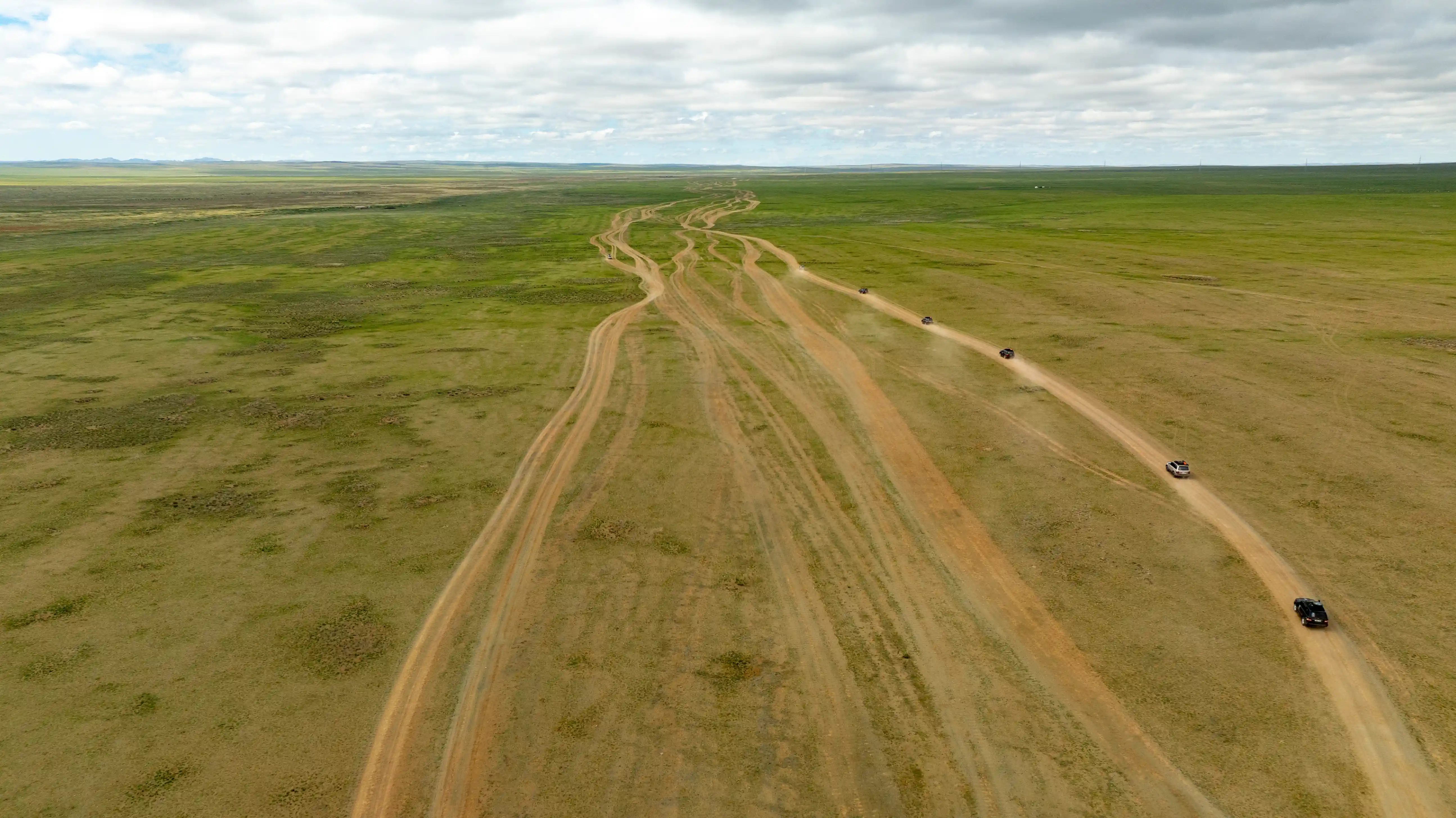
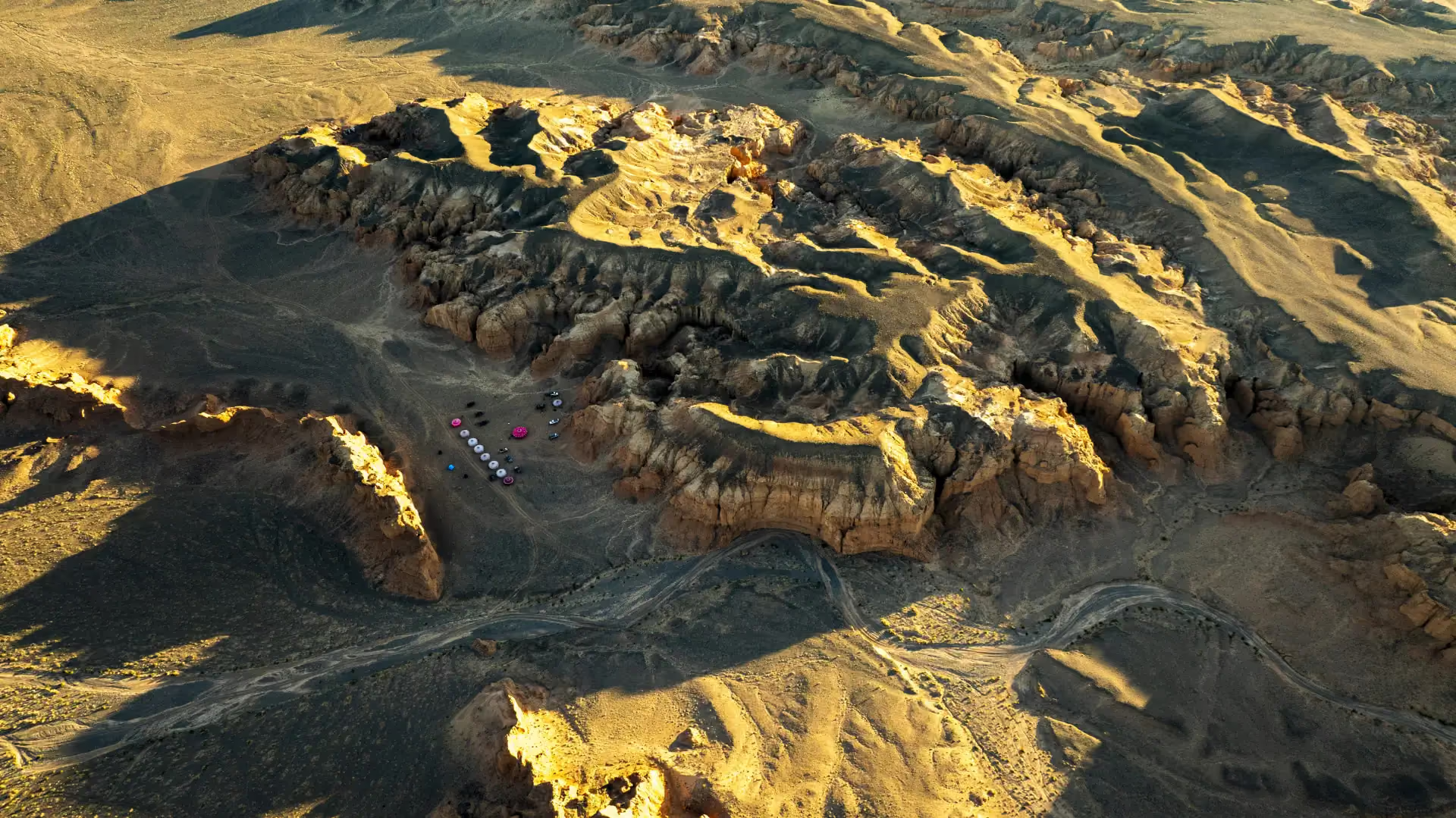
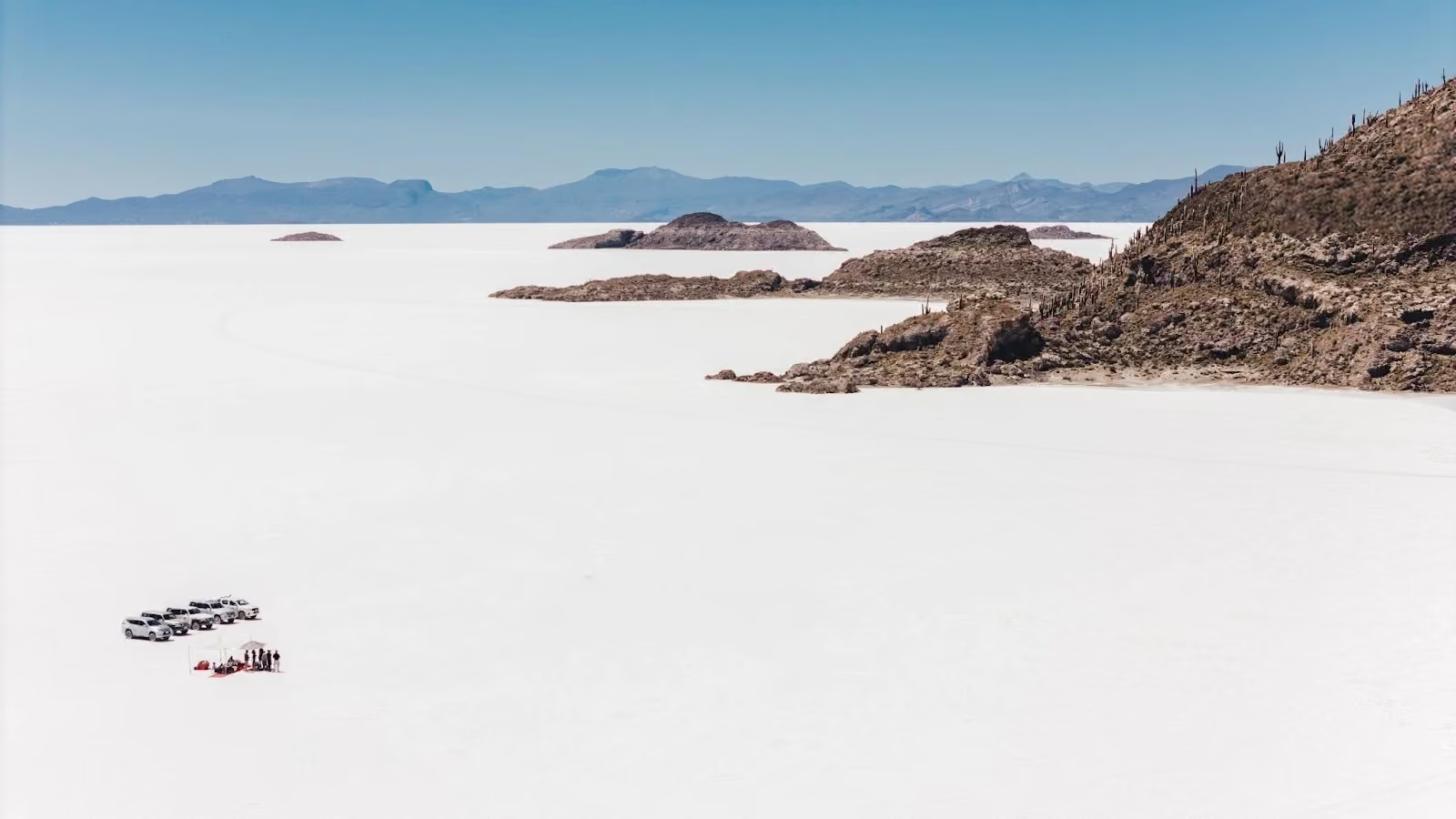
The end of the year often invites reflection. In 2025, Nomadic Road ran 75 expeditions to the farthest edges of the earth. We crossed the desolate yet life-filled expanses of the Gobi Desert, traced the mirror-like salt flats of Bolivia, navigated Madagascar's challenging and constantly evolving roads, and explored the wild, animal-rich Kalahari Desert of Africa, among many others.
Trends are usually identified in boardrooms and buried in annual reports. But some of the clearest signals emerge out in the field. We hear them in the questions travellers ask and see them in the experiences they value most when they return home. After a year spent traversing deserts, mountains, and borderlands, certain patterns became impossible to ignore.
This isn’t a prediction of how people say they want to travel in 2026. It’s how they already are.
The Rise of Road-Based Travel
One of the clearest travel trends for 2026 is that the road is regaining dominance. Travel is no longer about squeezing the most out of every journey or getting to a destination as fast as possible. As a result, many travellers are keen on swapping flights for cars, and as an overland travel operator, we see this shift firsthand at Nomadic Road.
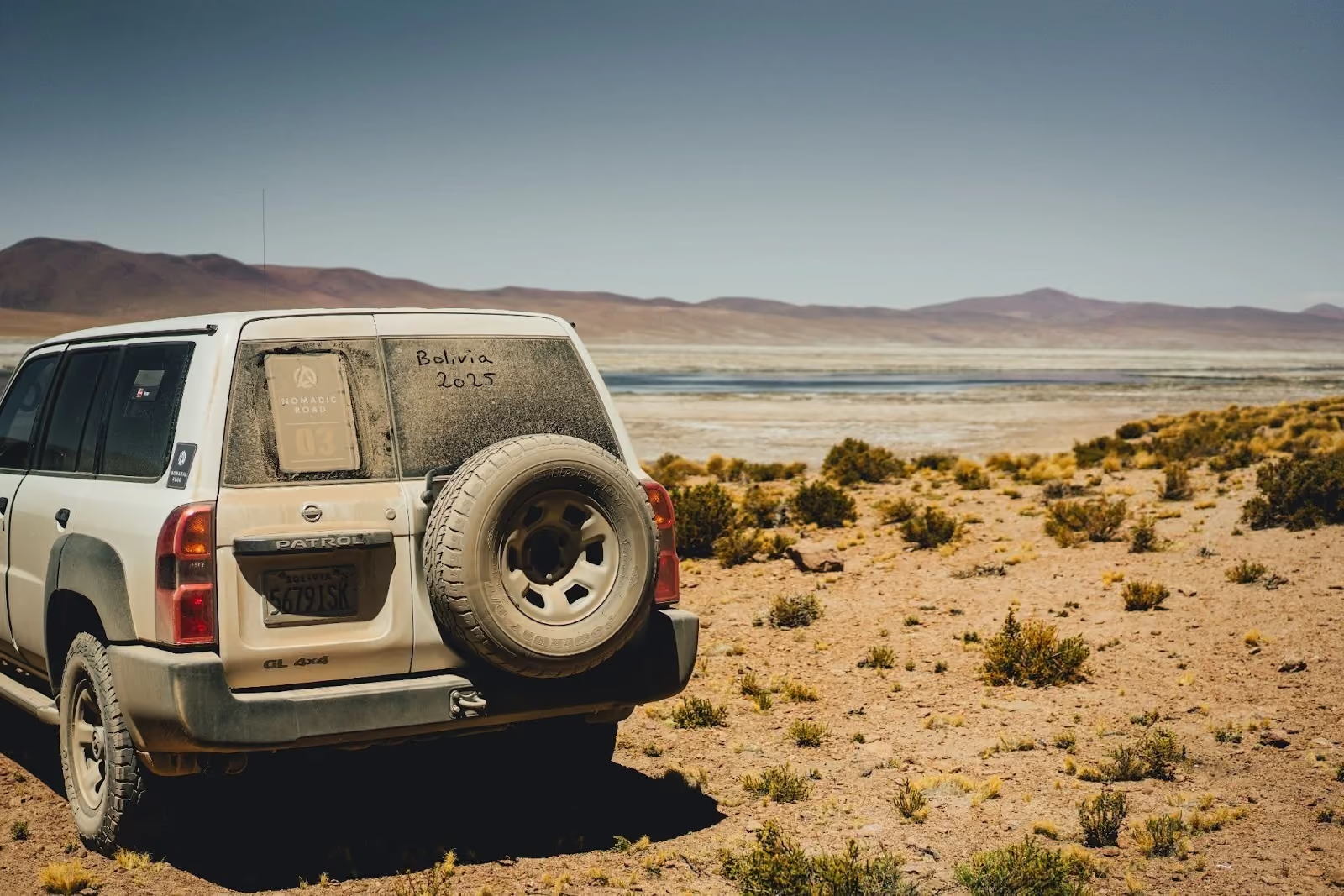
Take Bolivia. Someone flying from Santa Cruz to La Paz would barely encounter the country's striking contrasts, from tropical lowlands and scrubby forests to dramatic rock formations, winding valleys and rising mountain ranges.
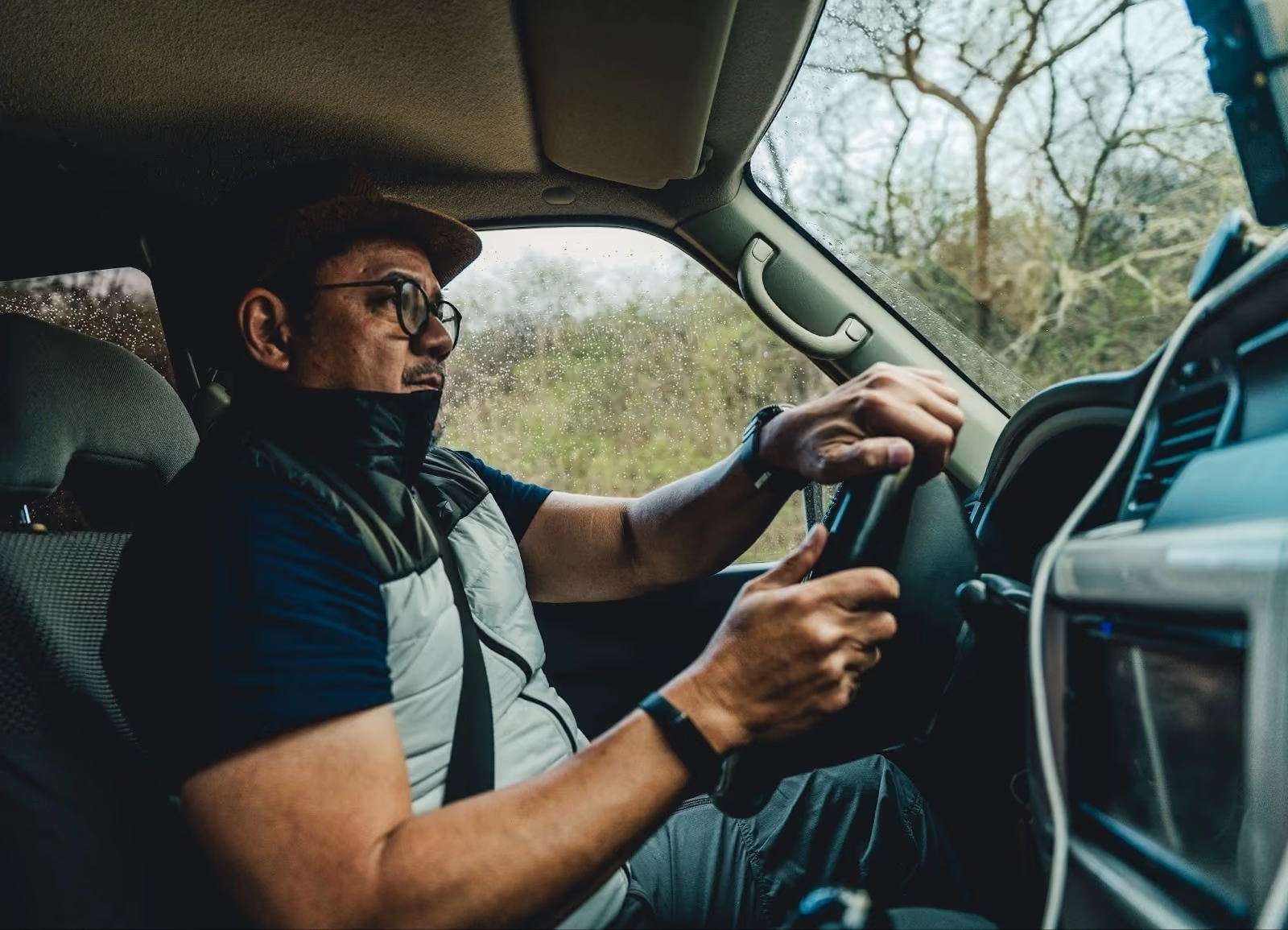
There’s also something pretty radical about choosing the longer way around, with many of Nomadic Road’s clients attesting to the same. One fellow explorer described driving a 4WD vehicle along dirt roads, through the desert and into the clouds with visibility of less than 10 metres as the most rebellious part of the journey.
Quiet Travel Is Gaining Momentum
Let’s be honest. Modern-day life as we know it can get overwhelming. There’s always something to do, somewhere to be, and the notifications never stop. It’s no surprise, then, that more people are choosing meaningful travel experiences designed not just to stimulate, but to quieten.
Digital detoxes are nothing new, but they’re increasingly becoming central to how people choose to travel. Calming, low-stimulus experiences such as forest bathing, long hikes and treks, remote retreats and slow days in nature are more sought after than ever.
This ethos is woven into most Nomadic Road expeditions. Travellers often go days without a reliable internet connection. In Madagascar, for instance, we spend extended stretches of time camping in remote, pristine parts of the country. Without creature comforts and technological interference, it becomes much easier to detach from the world you know and fully immerse yourself in the one you find yourself in.
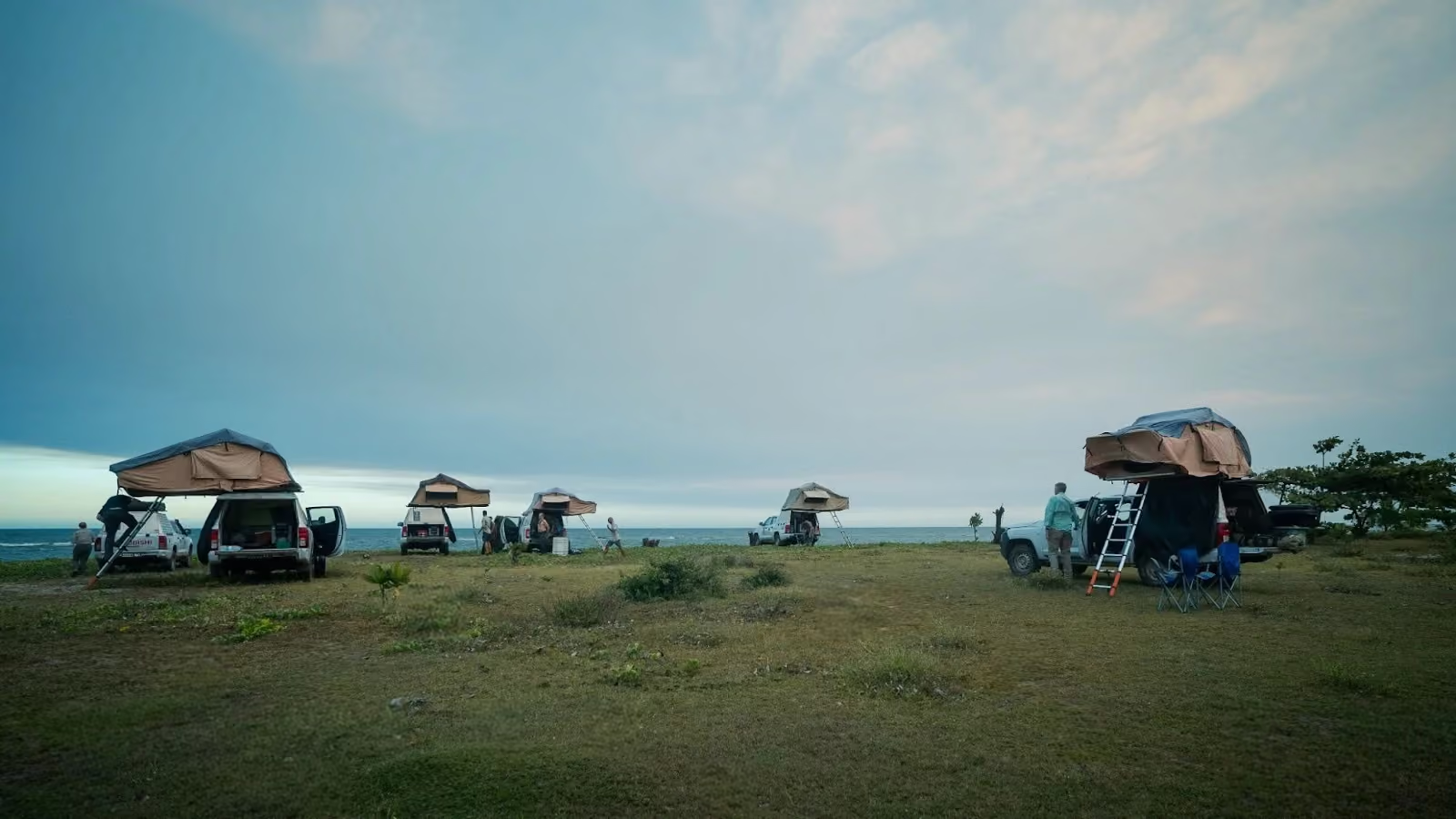
In the Kalahari, the silence is deeper and occasionally more confronting. It can be petrifying, but also highly restorative. One fellow explorer described setting up camp, sleeping under the stars and hearing lions roar nearby as one of the expedition's most memorable experiences.
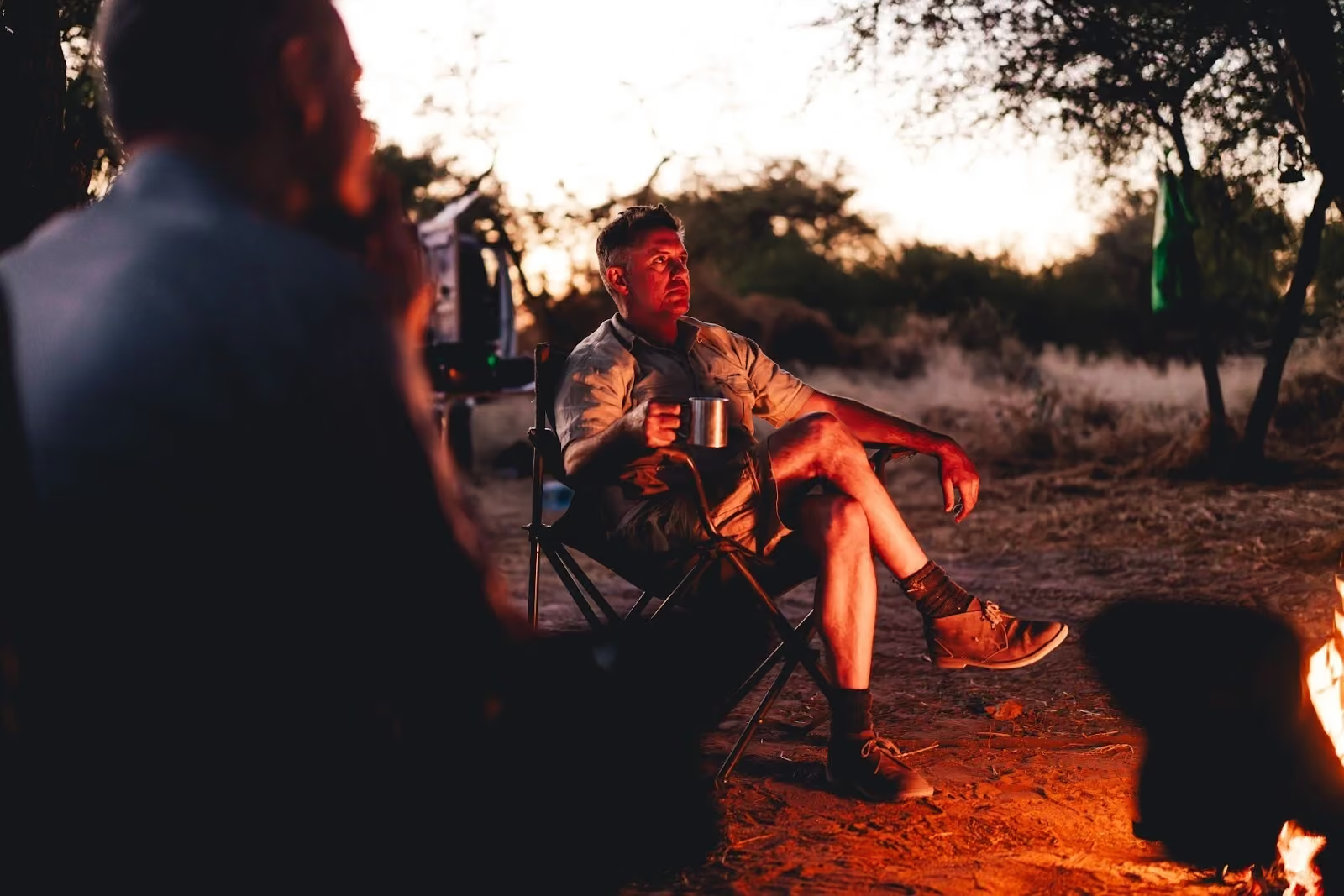
For many, this quiet creates space for something rare: reconnection. One fellow explorer on the Trans-Gobi expedition described rediscovering a sense of connection that constant city life had gradually obscured.
A Continued Increase in Women Travellers
More women are choosing bold, unconventional ways to see the world, and this is far more than a passing phase. While women now make up over 70% of solo travellers, what’s changing just as significantly is where they’re going. Increasingly, women are venturing into landscapes that demand grit and a willingness to get uncomfortable.
Recent studies show that adventure travel is growing rapidly among women over 50, and that women now account for more than half of bookings with adventure-focused travel companies. This momentum has continued into 2026. In fact, we saw it clearly throughout 2025, with many women joining Nomadic Road expeditions either solo or in pairs.
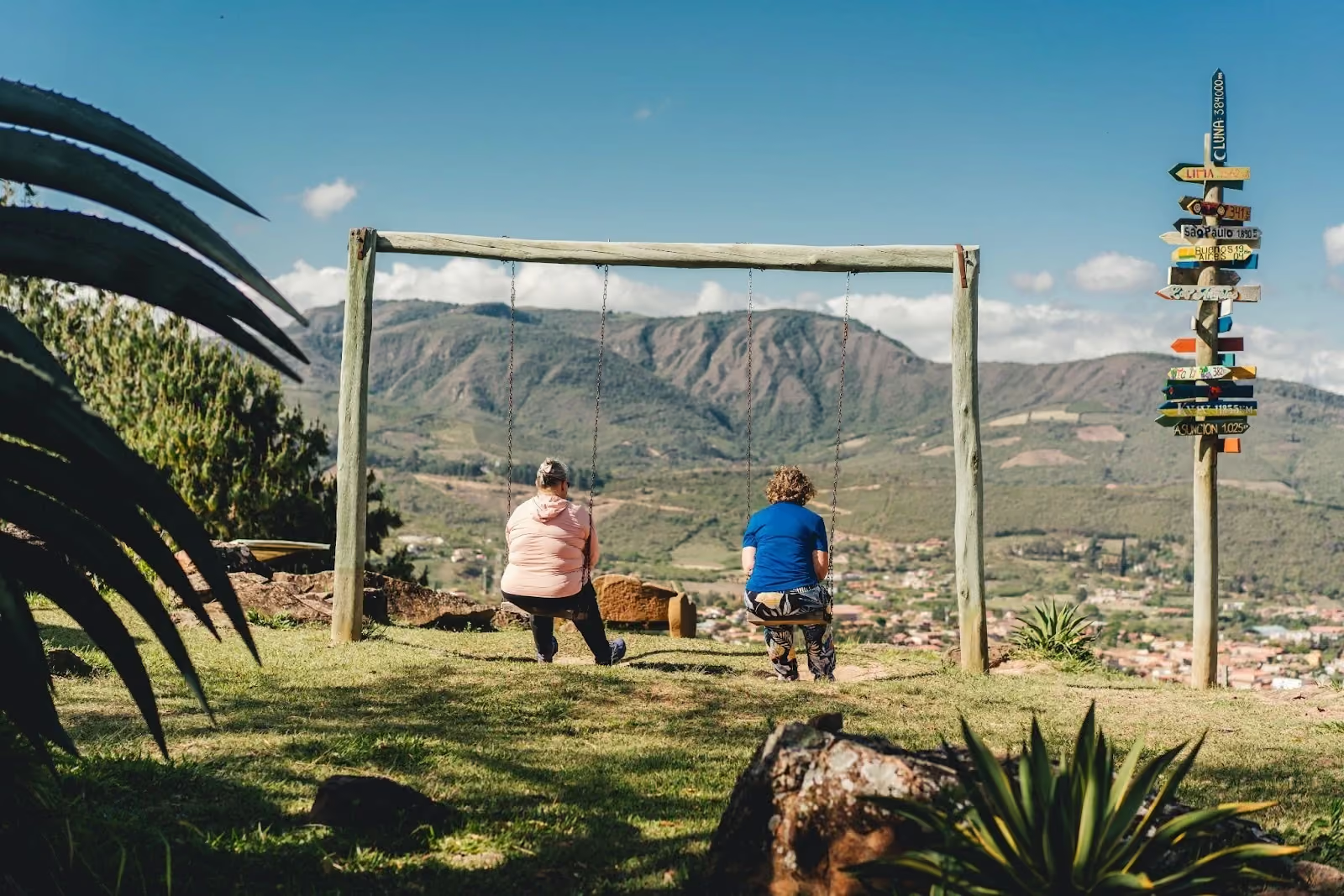
A solo explorer on our Central Kalahari expedition found immense joy in the community formed over 11 days in the wild. Another solo traveller joined our Nomadic Summer expedition for one simple reason: she wanted to drive through challenging terrain. On our Bolivia expedition, two travel companions took turns behind the wheel of a 4WD vehicle as they crossed the country's vast and varied landscapes.
Remote Over Familiar
Gone are the days when travel revolved solely around ticking off famous landmarks. Increasingly, people are turning away from destinations that feel overhyped, overcrowded, or already familiar. In their place is a growing appetite for offbeat, curiosity-led experiential travel. The kind where you may not quite know what to expect, and that’s precisely the point.
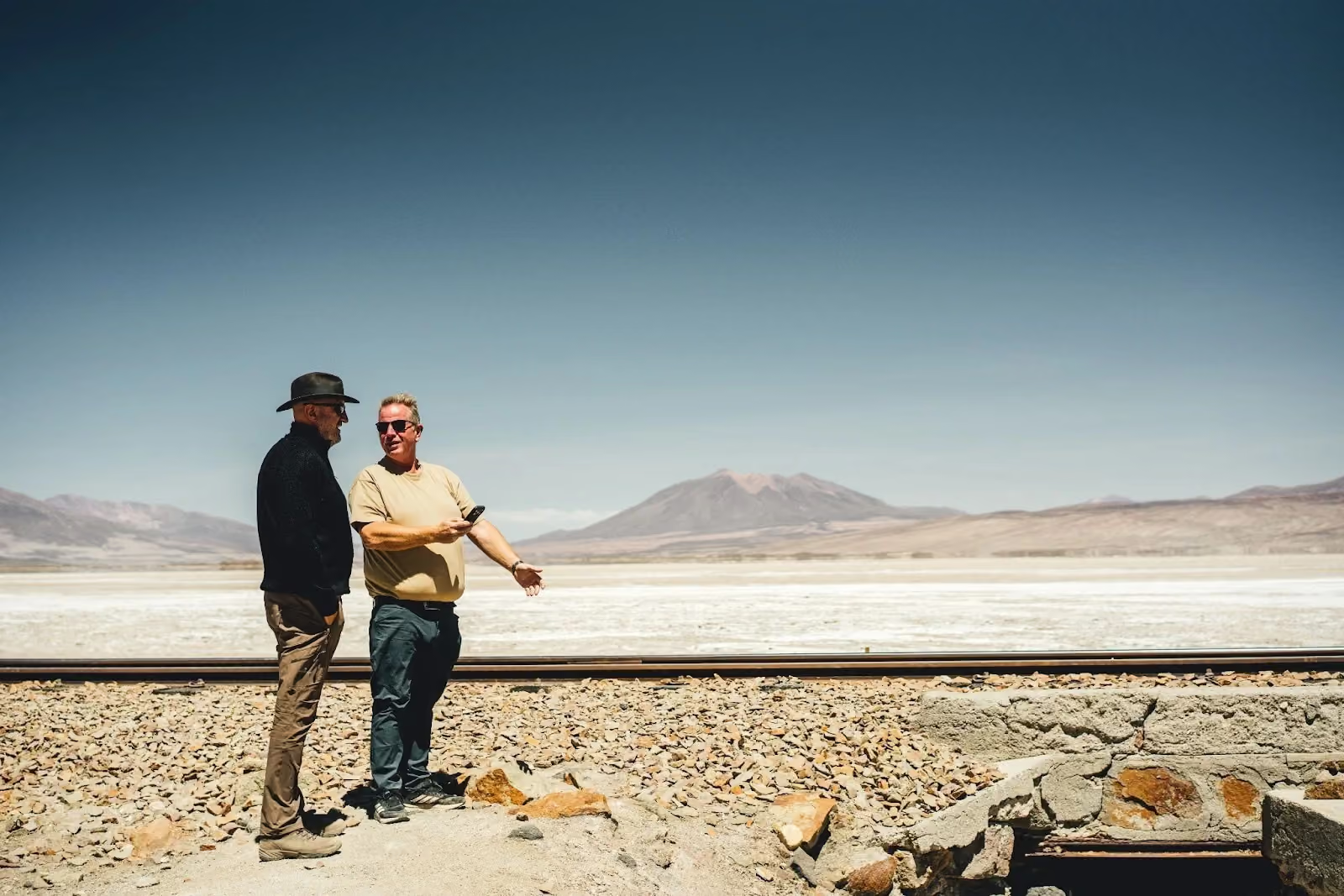
This shift reflects a willingness to say yes to remoteness and discomfort, and to the personal growth that often comes with it. As one of the more telling travel trends in 2026, this move toward the unfamiliar is a lot about immersion. A pair of siblings who joined one of our Mongolia expeditions were drawn to the country's natural landscapes, remoteness and distance from conventional tourism.
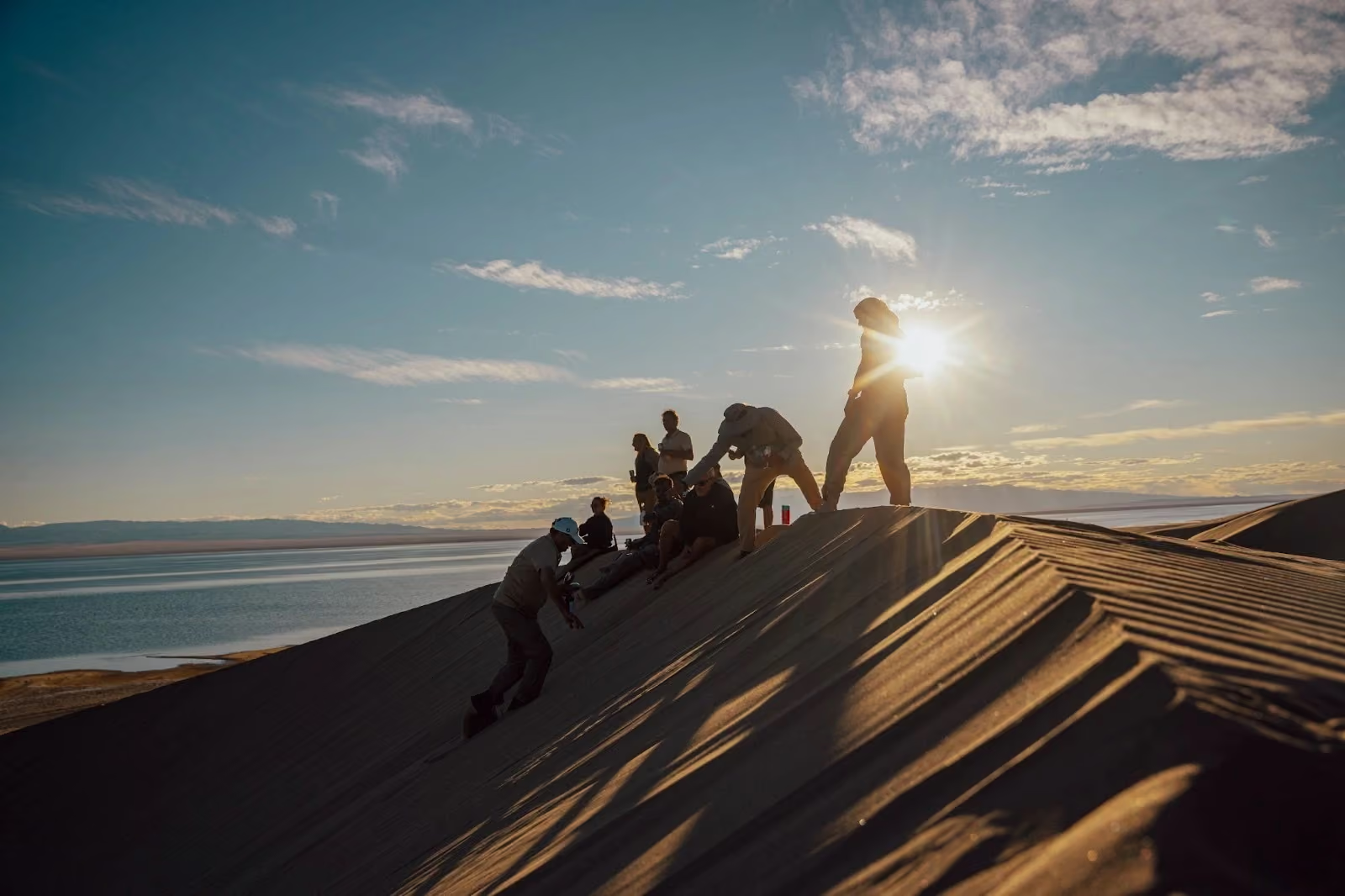
Overlanding is one way this desire for the off-grid is taking shape, but it’s not the only one. More travellers are also gravitating toward forms of adventure that prioritise immersion over ease, from multi-day hikes and remote camping to journeys that trade predictability for the chance of being genuinely surprised.
Intentional Travel Will Lead the Way
After years of fast, crowded, and performative travel, more people are choosing experiences that allow them to slow down, reconnect, and feel changed by where they go. That could mean taking the longer road, seeking quiet, travelling more remotely, and most importantly, choosing journeys that reflect who they are and what they need right now.
If there is one thing that feels certain, it is this: in 2026, why we travel will matter more than ever.
RELATED STORIES
What Will Travel Look Like in 2026? Predictions From the Road
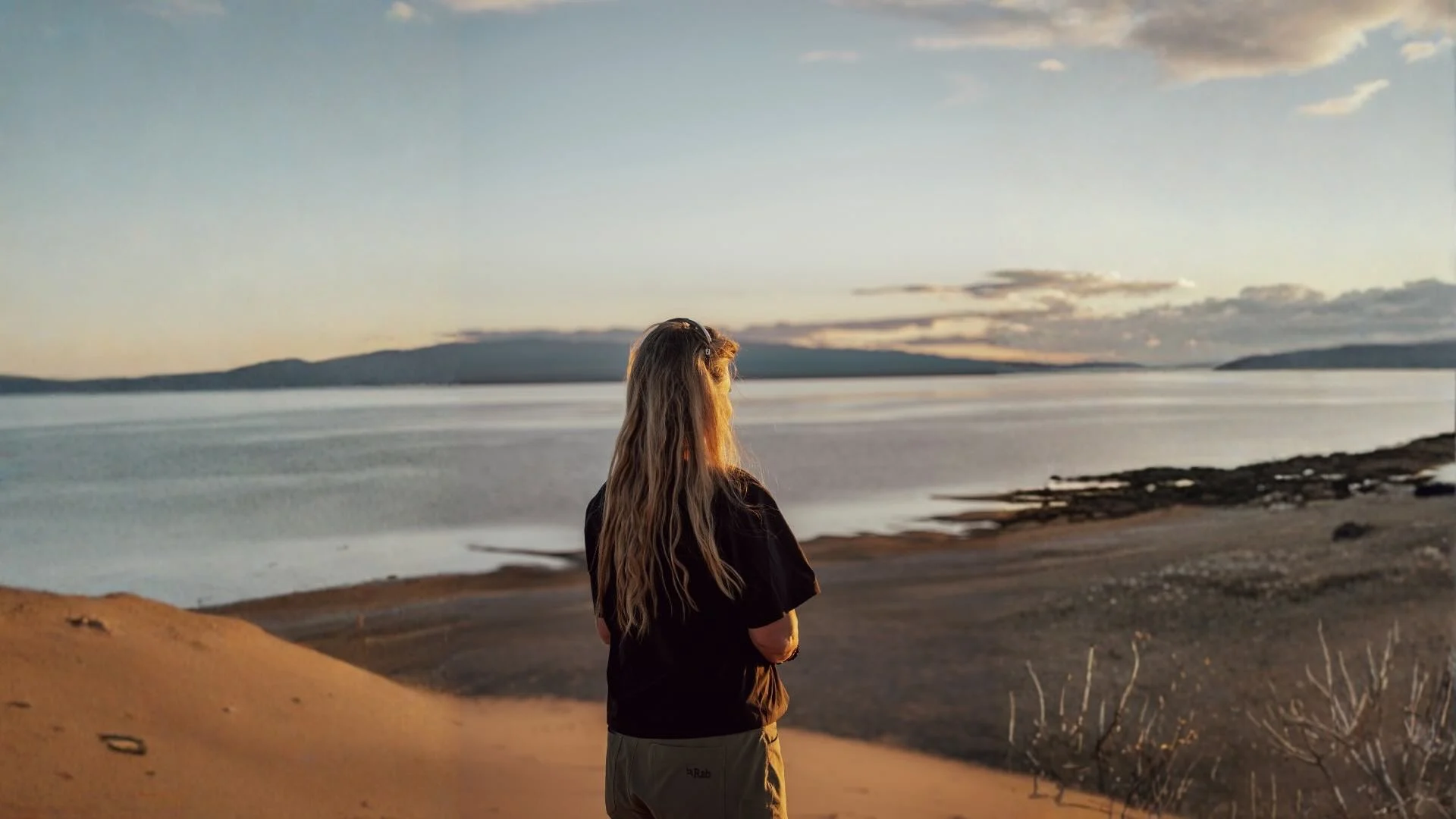
Why More Women Are Choosing Adventure Travel And Why It’s Here to Stay