True Stories From the Wild Roads of the Bolivia Expedition
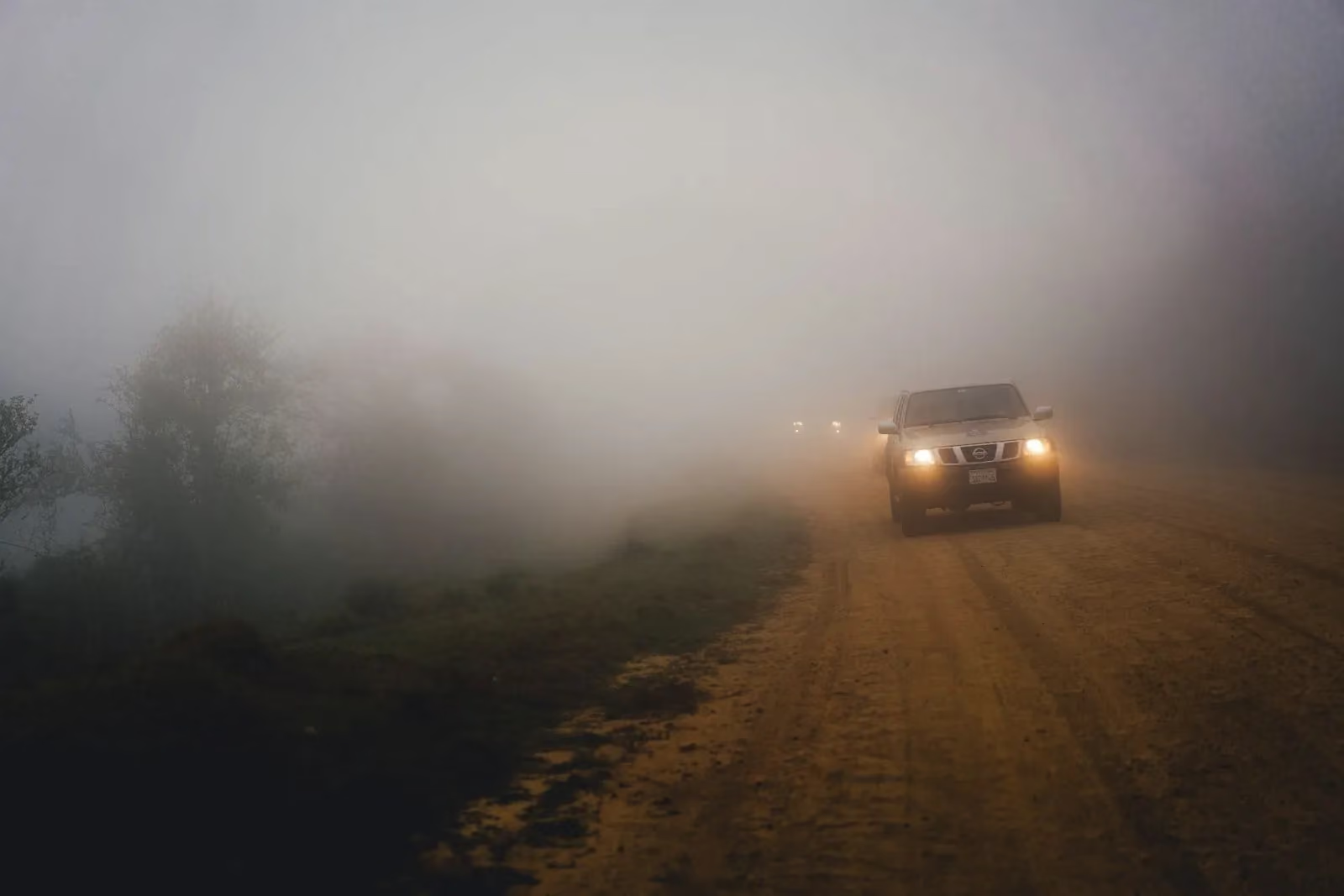
“The most rebellious thing I've done on this expedition is to drive the 4x4 on dirt roads, in the desert, and in the clouds with a visibility of less than 10 metres. I think that's something very rare and I've never done it before,” says a traveller from Malaysia, a simple reminder of what a journey through Bolivia often becomes: a collection of firsts.
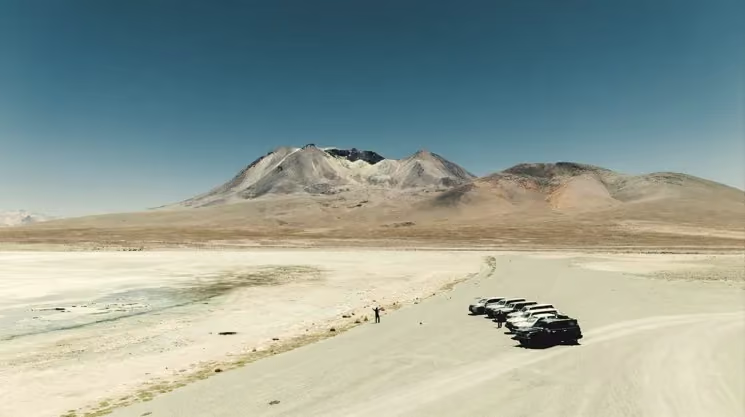
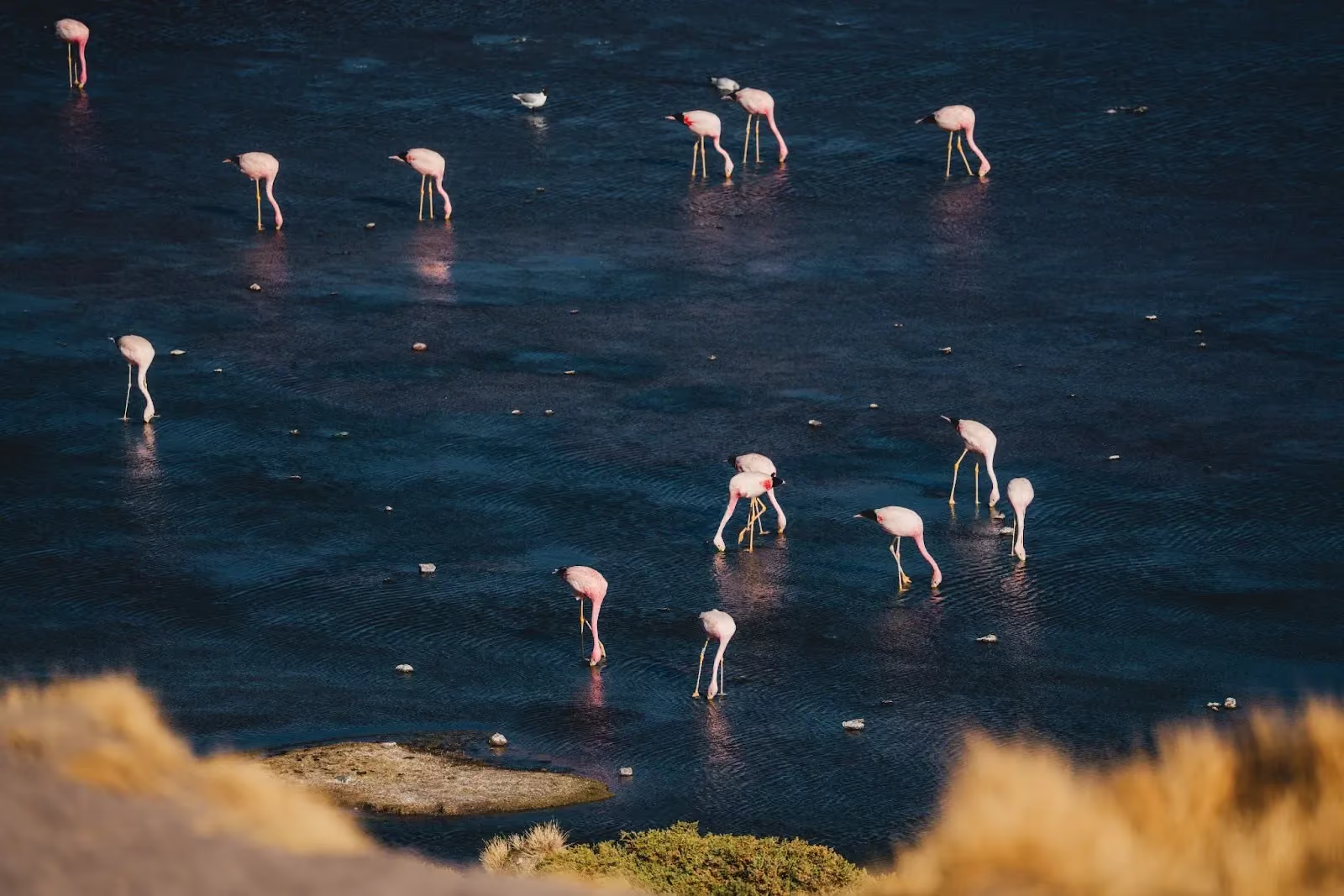
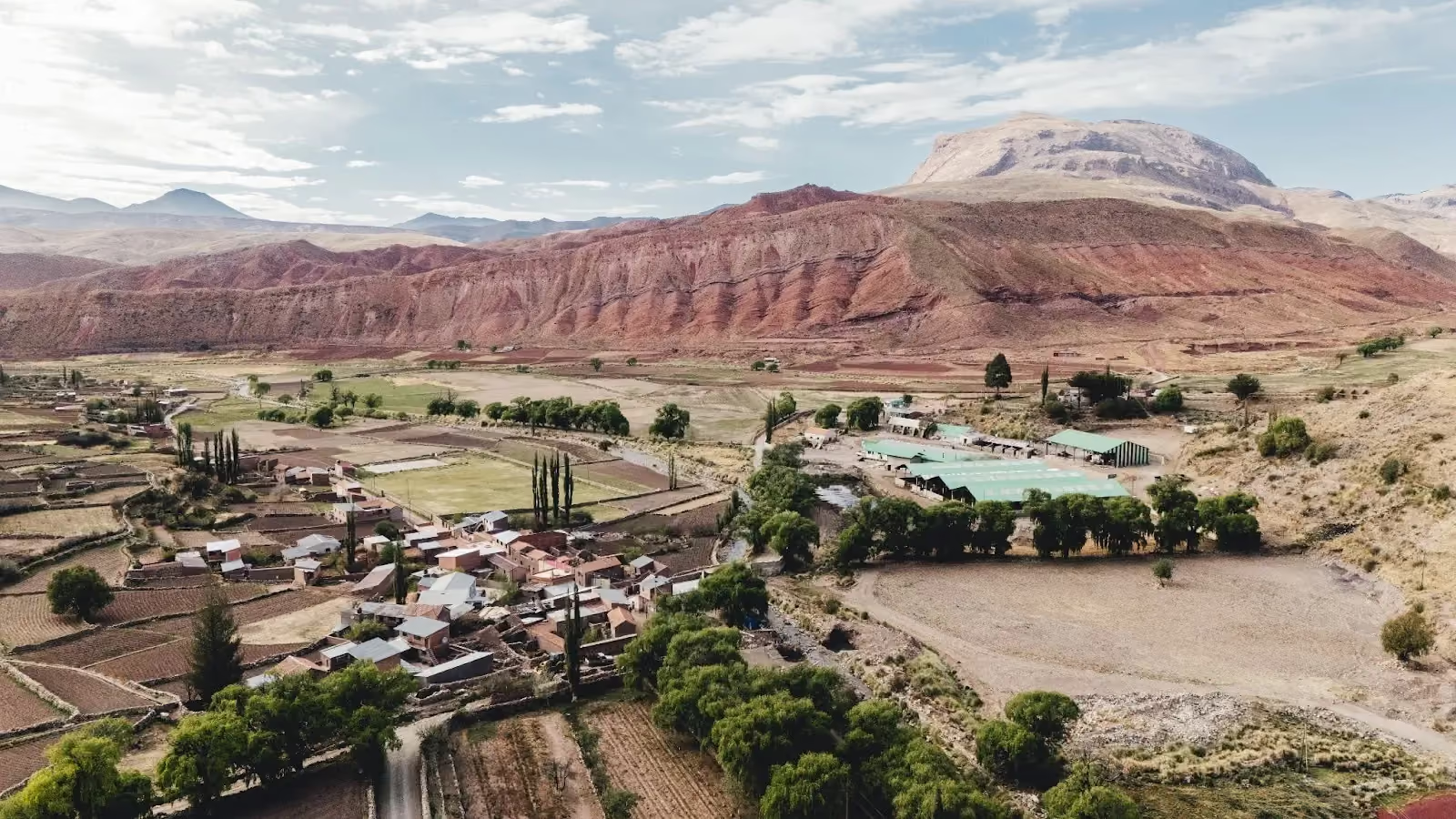
Bolivia is home to more than what most travellers would expect. The world’s largest salt flat, the Salar de Uyuni, is found here, spanning over 10,000 square kilometres. Up in the highlands, herds of llamas, alpacas, and vicuñas appear without warning. The country’s colourful lagunas, including the pink-toned Laguna Colorada, attract flamingos that seem almost unfazed by the altitude. And then there’s the infamous Death Road, once known as one of the world’s most dangerous routes. It features steep drops, sharp turns, and very little margin for error. Further south, the Siloli Desert stretches out in muted tones, scattered with rock formations and framed by distant volcanoes.
Bolivia’s cities show a different side of the country. La Paz, the world’s highest capital city at 3,650 meters, is high-energy and chaotic, while Sucre slows the pace down with local markets and fresh produce stalls. Across 12 days, participants on Nomadic Road’s Bolivia expedition come face-to-face with all of this and more, covering roughly 2,600 kilometres in overland vehicles built to take on whatever the terrain throws at them.
Naturally, with a journey like this, “never-done-that-before” moments show up often. The Bolivia Unscripted Stories film lets the travellers tell you exactly how it felt, filmed by Arthur from the Nomadic Road team.
We’re a Lonely Species in a Hyper-Connected World
In a place as vast as Bolivia, no one expected the fondest memories to come from inside the cars. And yet they did. “Being part of this expedition means getting to know people from other countries and cultures, and exploring a new place together,” says the same traveller. Similarly, when asked about the best part of the expedition, one traveller thinks back to the constant laughter in the cars. Another traveller talks about how, within days, strangers felt like family.
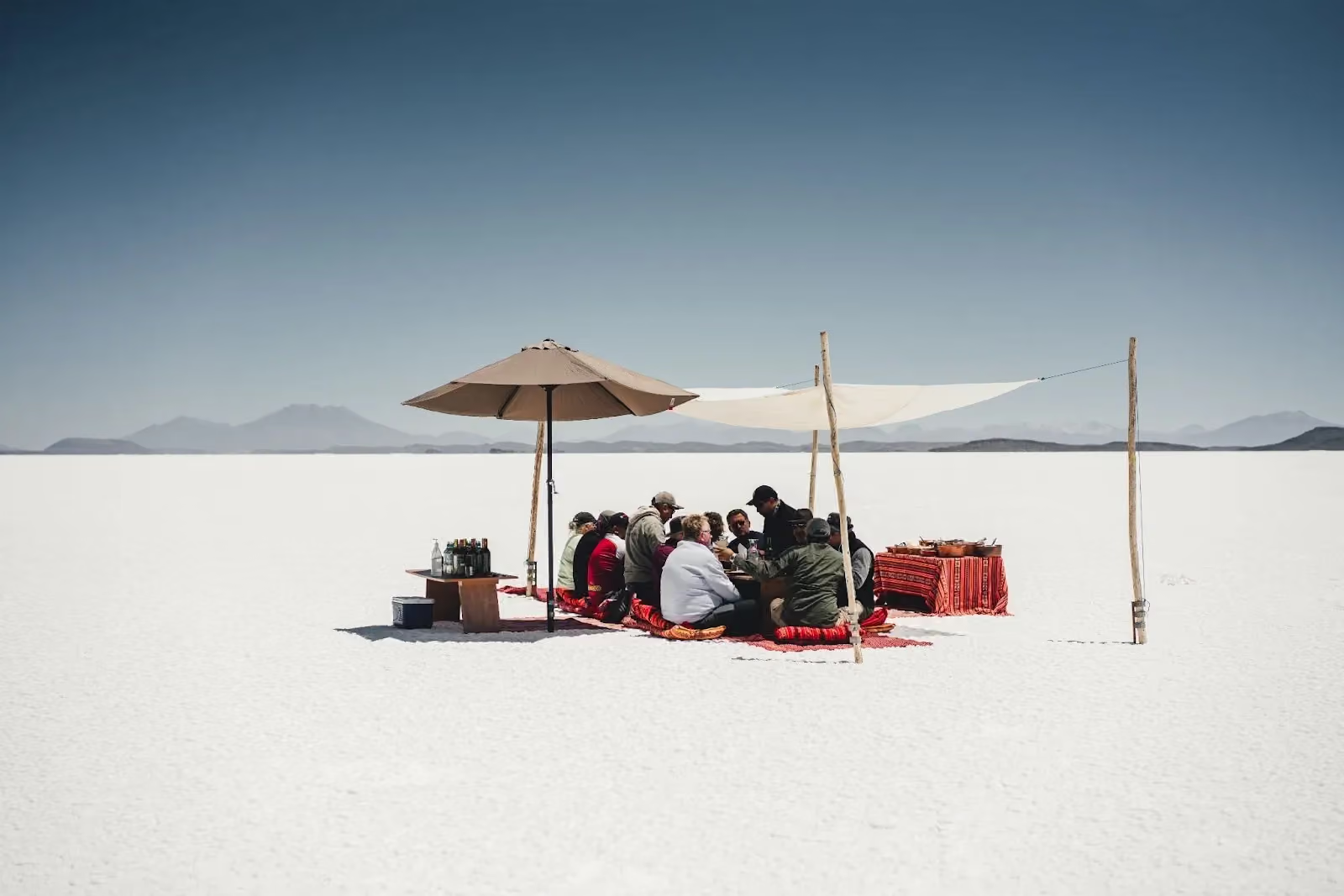
Maybe this isn’t surprising. In 2025, loneliness is a widespread feeling. The WHO reports that around 16% of people worldwide, one in six, experience it. Wild, considering we’re supposedly “connected” 24/7.
Clearly, that constant connection hasn’t made us any less alone. We’re starving for the kind of interactions that don’t come with a loading bar, the ones where you’re in the thick of something together, with decisions to make, problems to solve, and views to share.
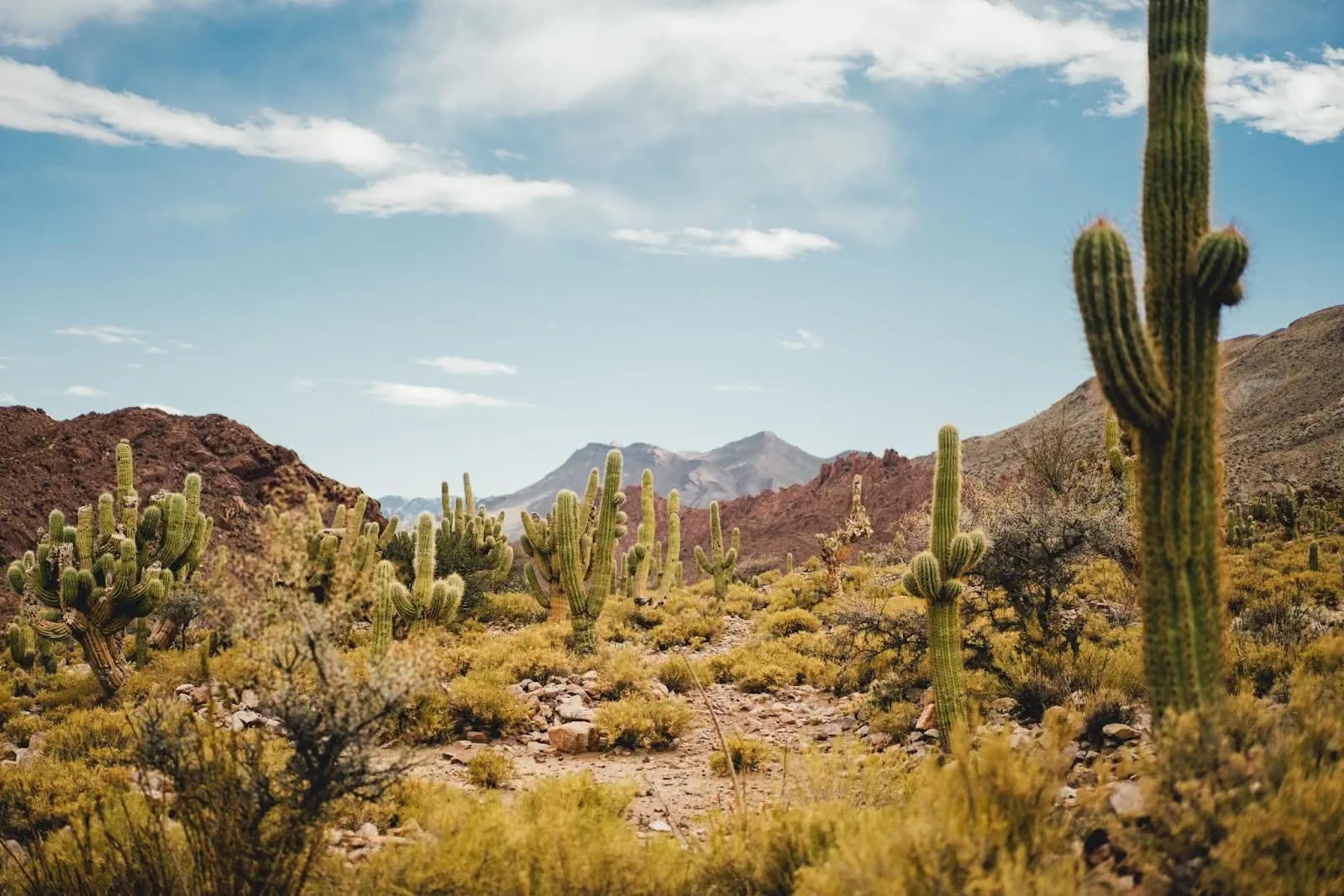
On a Nomadic Road expedition, this happens naturally: long driving days, unfamiliar terrain, and moving as a convoy bring people closer in a way screens never can. But it doesn’t have to take a journey to the end of the world. Sometimes, connection begins with a sheer willingness to get out, show up, and experience what’s unknown to you.
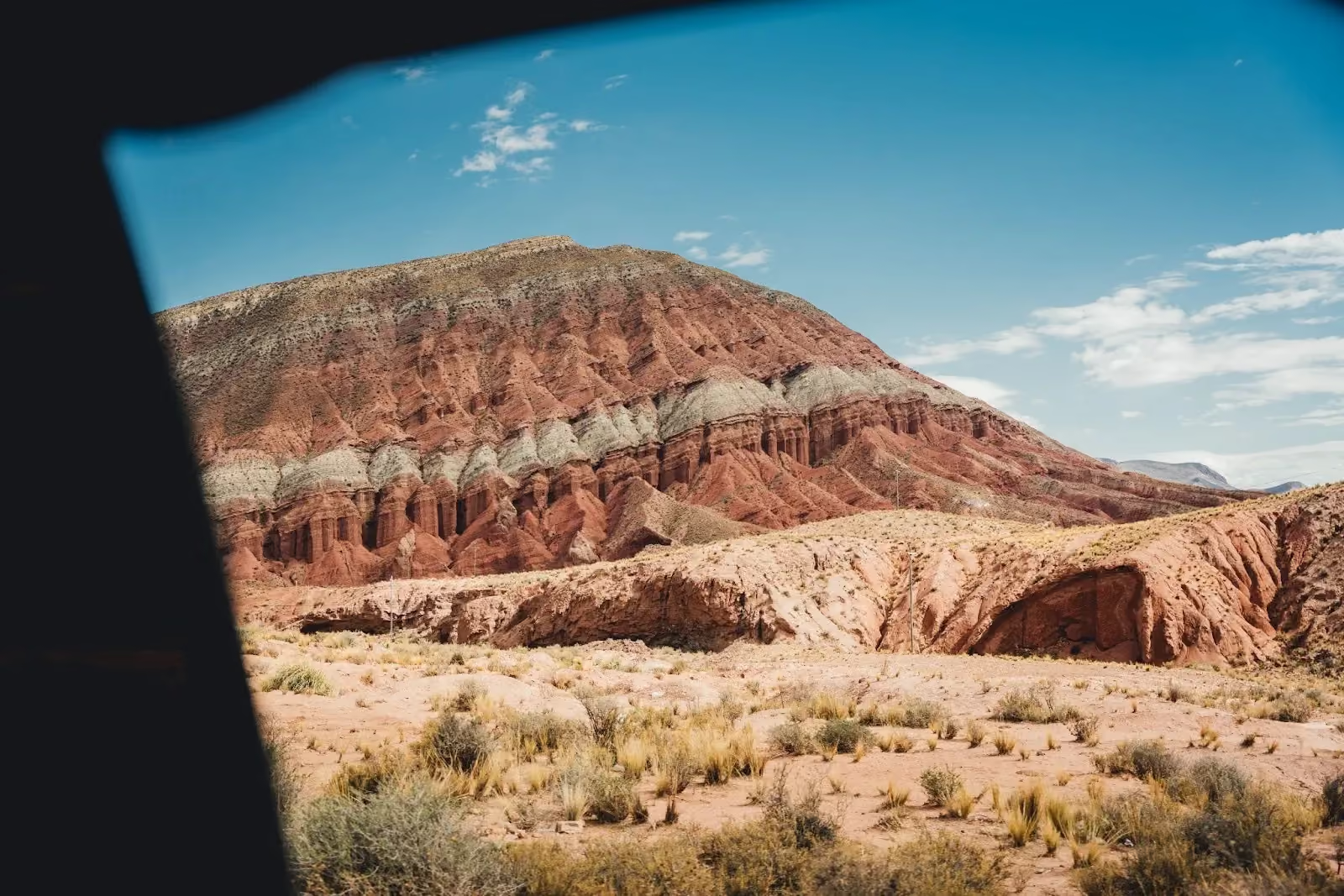
The traveller from Malaysia, who joined the Bolivia expedition on his own, puts it best: “You don’t have to wait for other people to join you. Just go, and you’ll find people who share the same interests as you.”
“Exhilarating, Soul-Cleansing, and Unbolivable.”
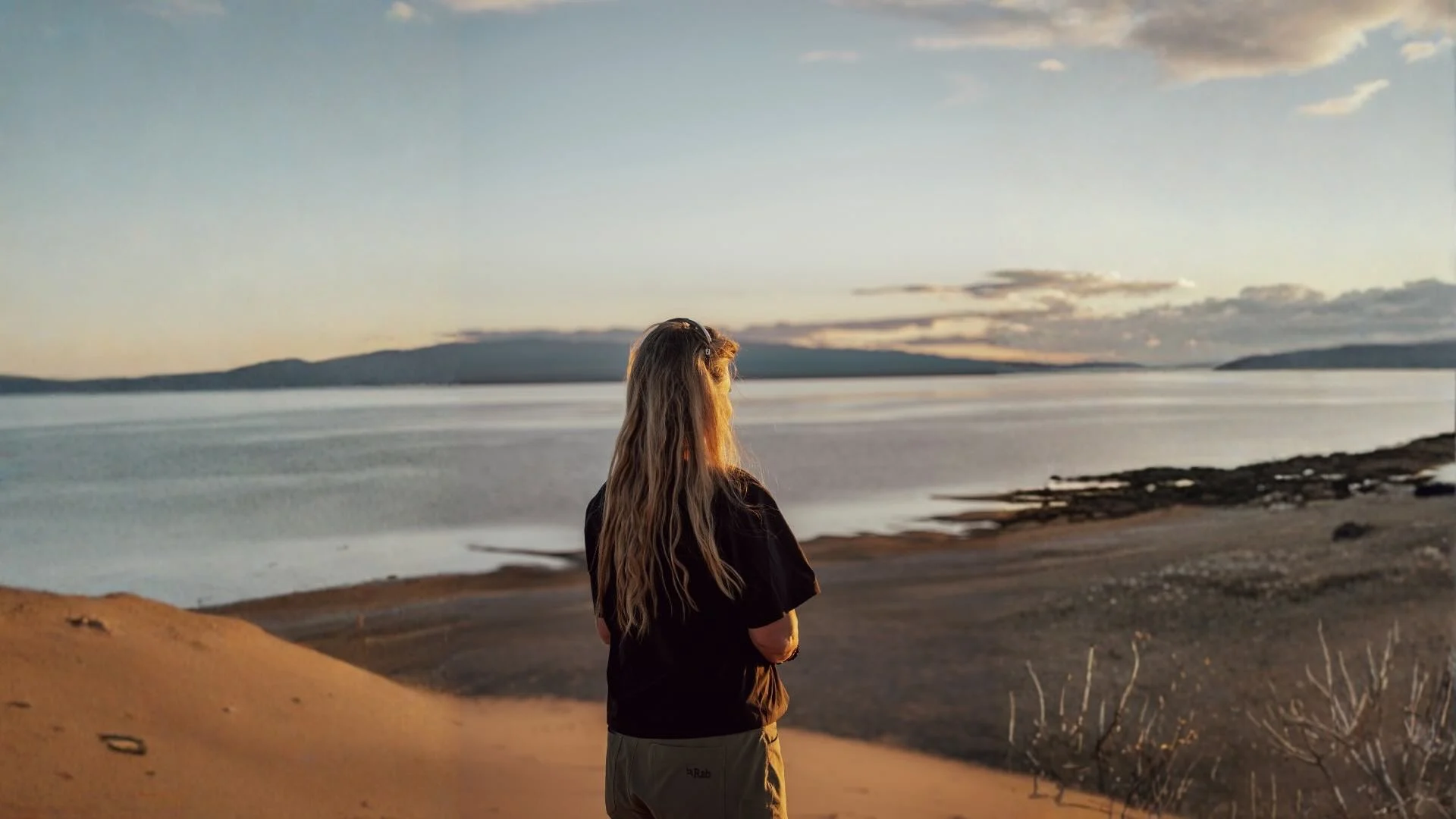
That’s how the same traveller described her time in Bolivia. She took on this expedition while carrying a personal loss, and something about the journey cracked open the space she needed. She spent 12 days around the right people, wild landscapes, and long stretches of silence with a fellow traveller, her “partner on many far-flung adventures.”
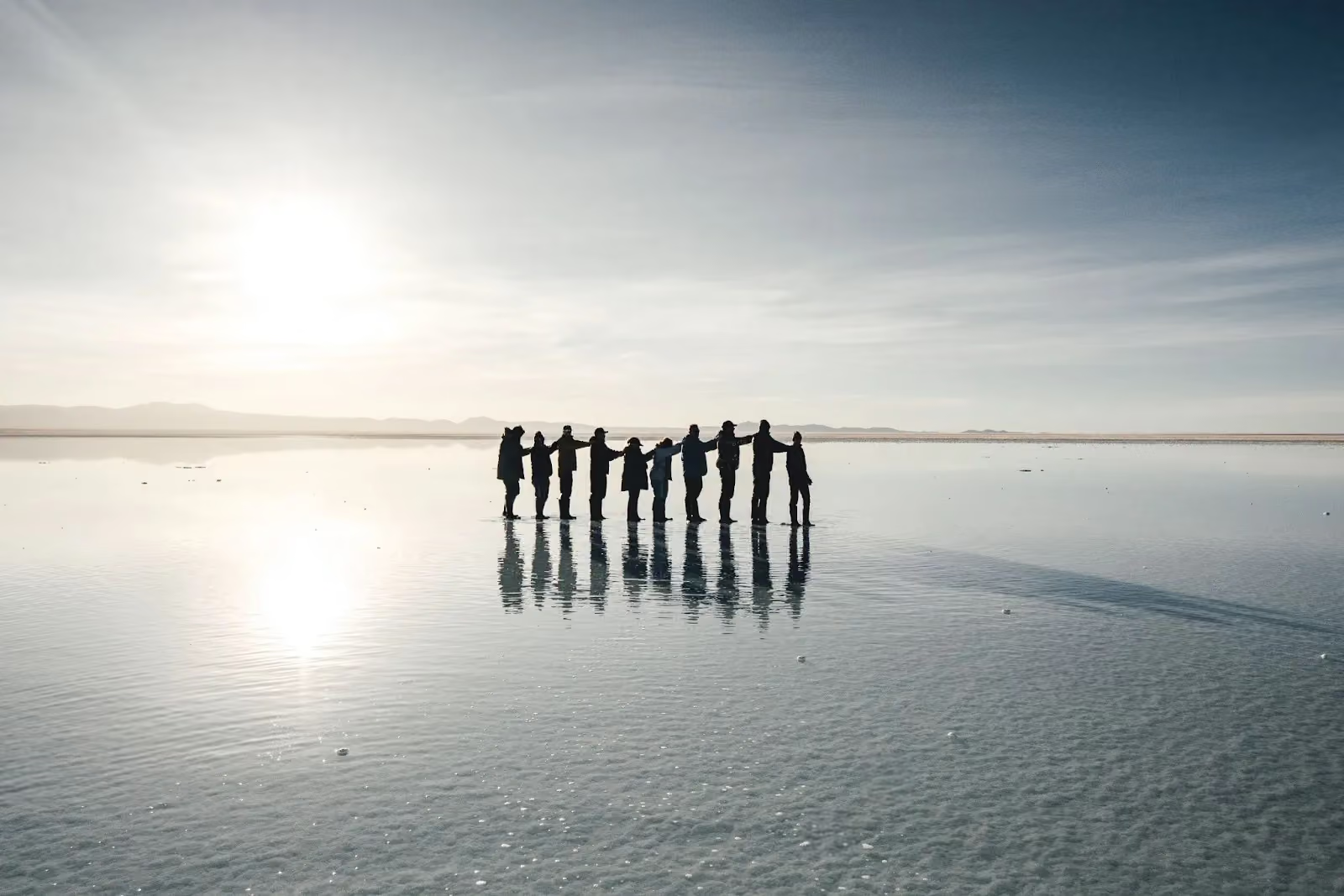
Expeditions like these have a way of rearranging you. You’re thrown into a world so new, with beauty so big, it makes your problems feel a little less sharp. Sometimes, adventure travel can be a powerful reminder of how much life is still waiting, only if you’re willing to look.
As a photojournalist, she processed much of the expedition by documenting it, the sweeping landscapes, the cultural immersion, as well as the small human moments that helped her heal. Her Bolivia story, told through authentic storytelling in images and fragments, lives here.
Things You Can’t Acquire Through a Screen
Travelling from Denmark with a good friend, another traveller ended the expedition with a sharper sense of what adventure really means to him. “It’s something you cannot acquire through a screen or through YouTube or through a television,” he says.
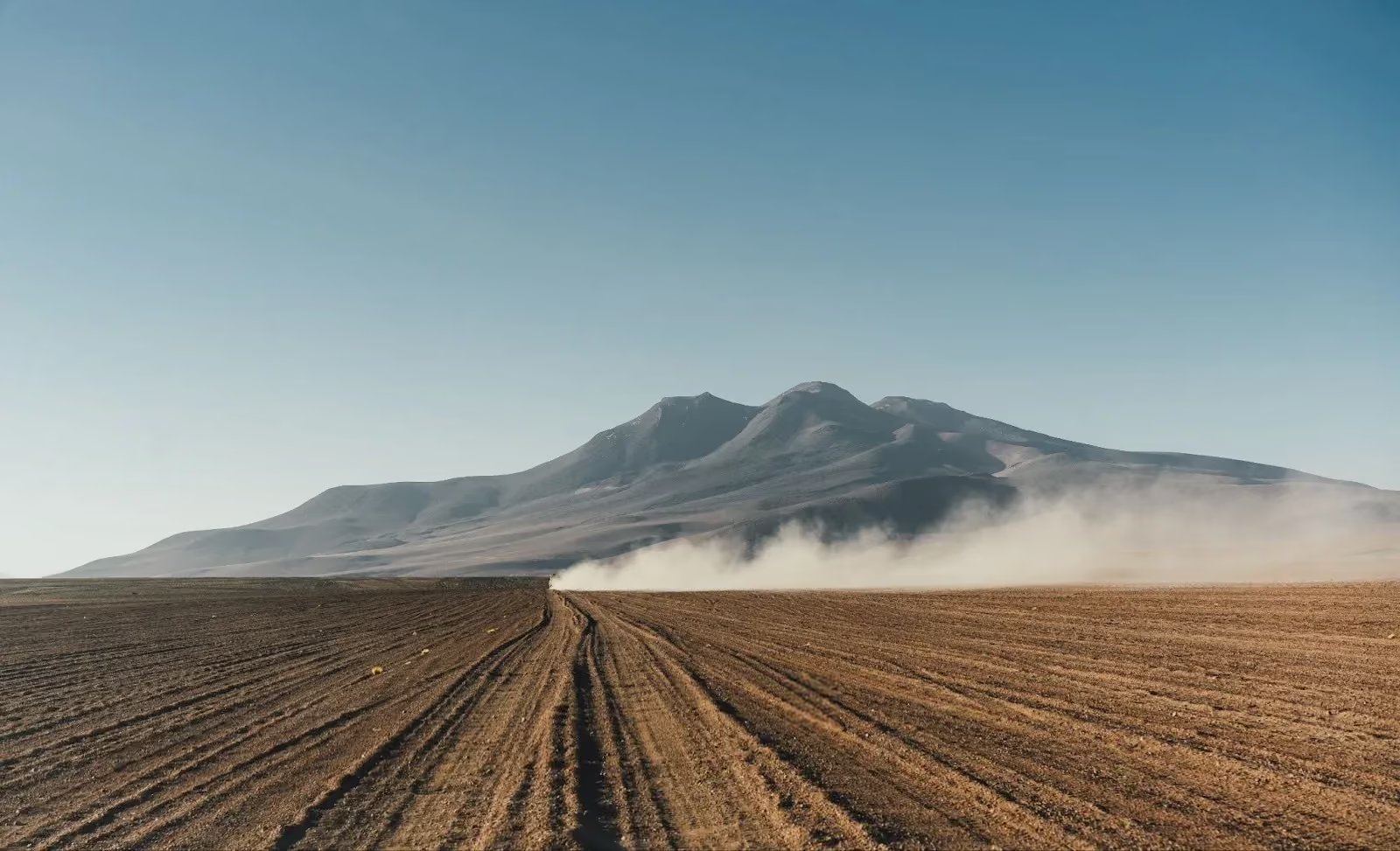
We live in a time when you can watch Bolivia from your couch. You can map the routes, analyse the terrain, and even get walkthroughs of routes and vehicles. Augmented reality can drop a 3D landscape into your living room. Algorithms can show you every highlight reel ever made.
But none of it is a substitute for the real thing. It’s only when you actually put yourself out there, when you feel the nerves and the excitement in equal measure, share a car with people who start out as strangers, let your guard and masks down, and allow the experience to move you, that you walk away with something technology can’t replicate: perspective and memories that stick for a lifetime.
Stepping Beyond the Everyday
The same traveller found on the Bolivia expedition something he rarely finds at home: stillness. “It’s a very good opportunity to get peace inside.”
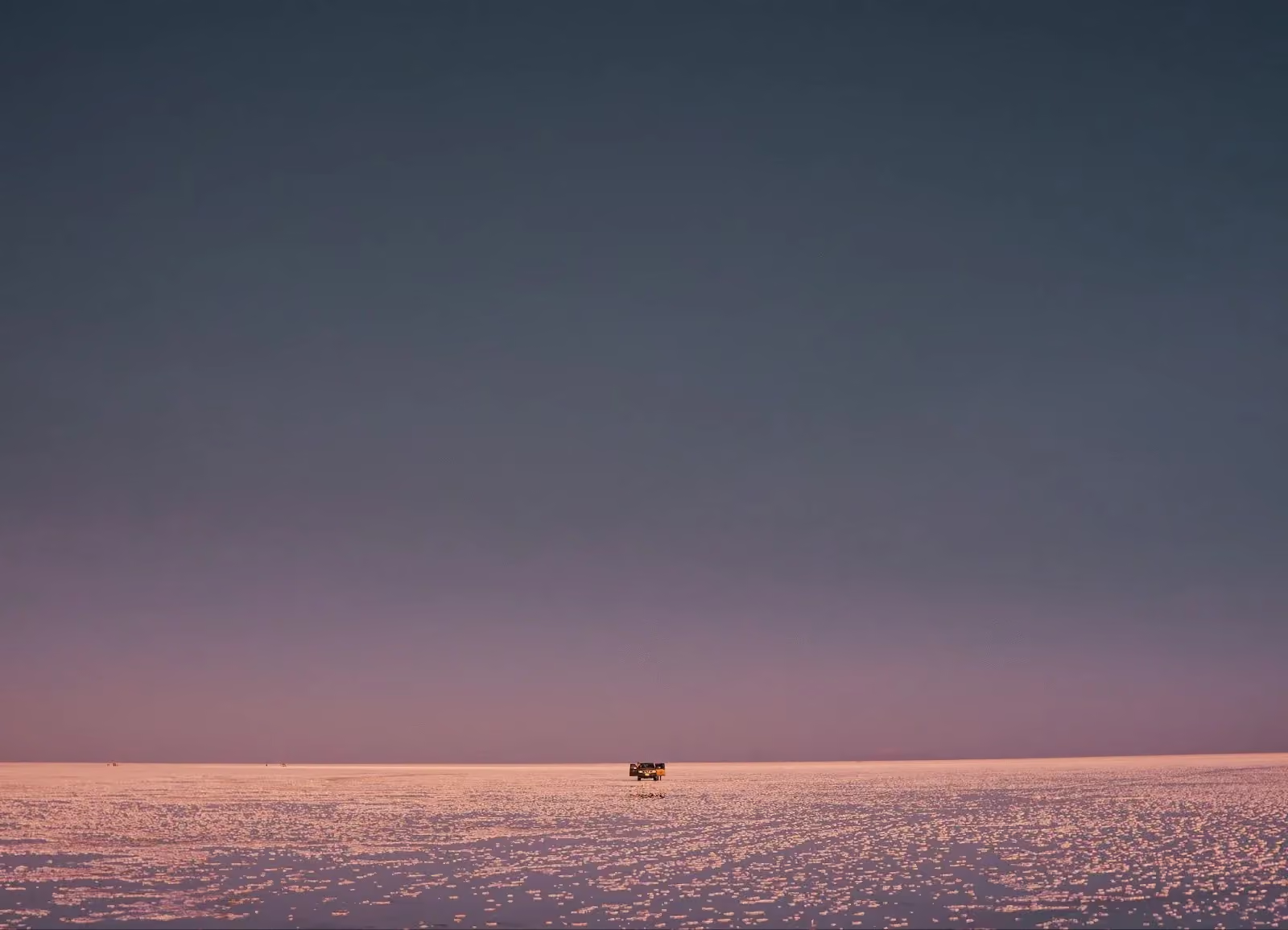
For the same traveller, stepping out of the ordinary meant pushing past familiar habits. “Driving long distances on some very challenging roads… I wouldn’t normally do that back at home,” she says.
In their own ways, both travellers were after the same thing: a break from routine. As she puts it, “I’m always looking for an adventure… to step out of the ordinary of my life.”
To see the journey through their eyes, watch our Bolivia Unscripted Stories episode on YouTube. And if you’re feeling the pull toward an adventure of your own, discover the Nomadic Road expeditions ahead.
RELATED STORIES
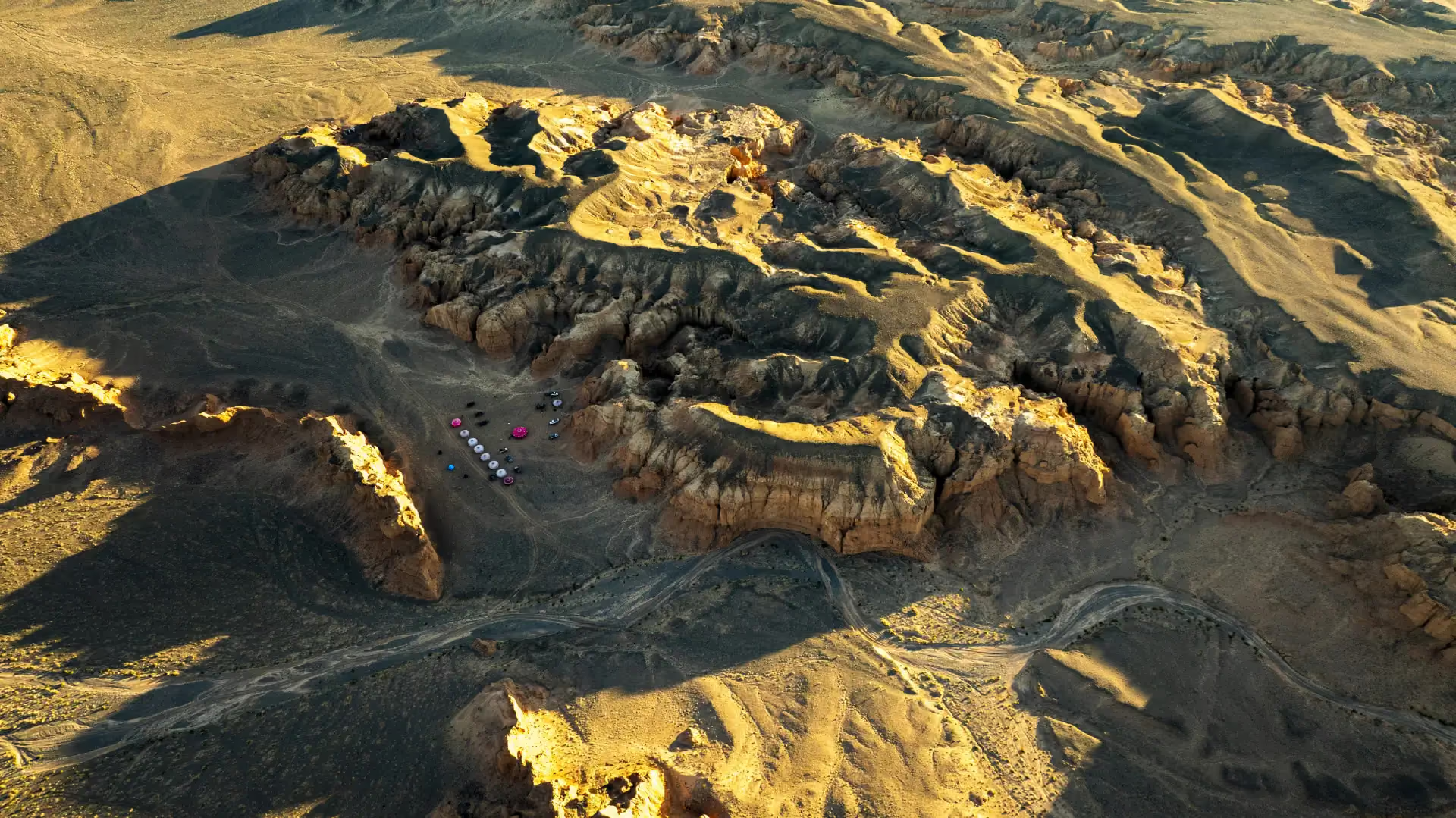
What Will Travel Look Like in 2026? Predictions From the Road
Why More Women Are Choosing Adventure Travel And Why It’s Here to Stay